
Introduction
Your home should reflect what you value. If sustainability is important to you, consider using eco-friendly decor. The global home decor market creates a lot of waste each year, with fast furniture and disposable decorations often ending up in landfills. Fortunately, there are better ways to beautify your space while caring for the planet.
Table of Contents
DIY eco-friendly decor ideas can help you create a greener living space. These projects can reduce environmental impact, save you money, and produce unique pieces that show your personal style. Whether you’re setting up your first apartment or updating your current home, sustainable DIY projects using recycled materials, natural elements, and upcycled items can change any room into an eco-friendly haven.
In this guide, you will find over 15 beginner-friendly to intermediate projects that demonstrate that sustainable living can still be stylish. From mason jar planters to reclaimed wood furniture, these DIY eco-friendly decor ideas will help you create a beautiful, budget-friendly, and planet-friendly living space.
Why Choose DIY Eco-Friendly Decor Ideas for a Greener Living Space?
Environmental Benefits of Sustainable Home Decor
Traditional home decor can harm the environment. Mass-produced furniture often contains harmful chemicals like formaldehyde and volatile organic compounds that can leak into your home. Manufacturing takes a lot of energy and water, and shipping increases carbon emissions. When trends change, these items often end up in landfills, where synthetic materials can take decades or even centuries to break down.
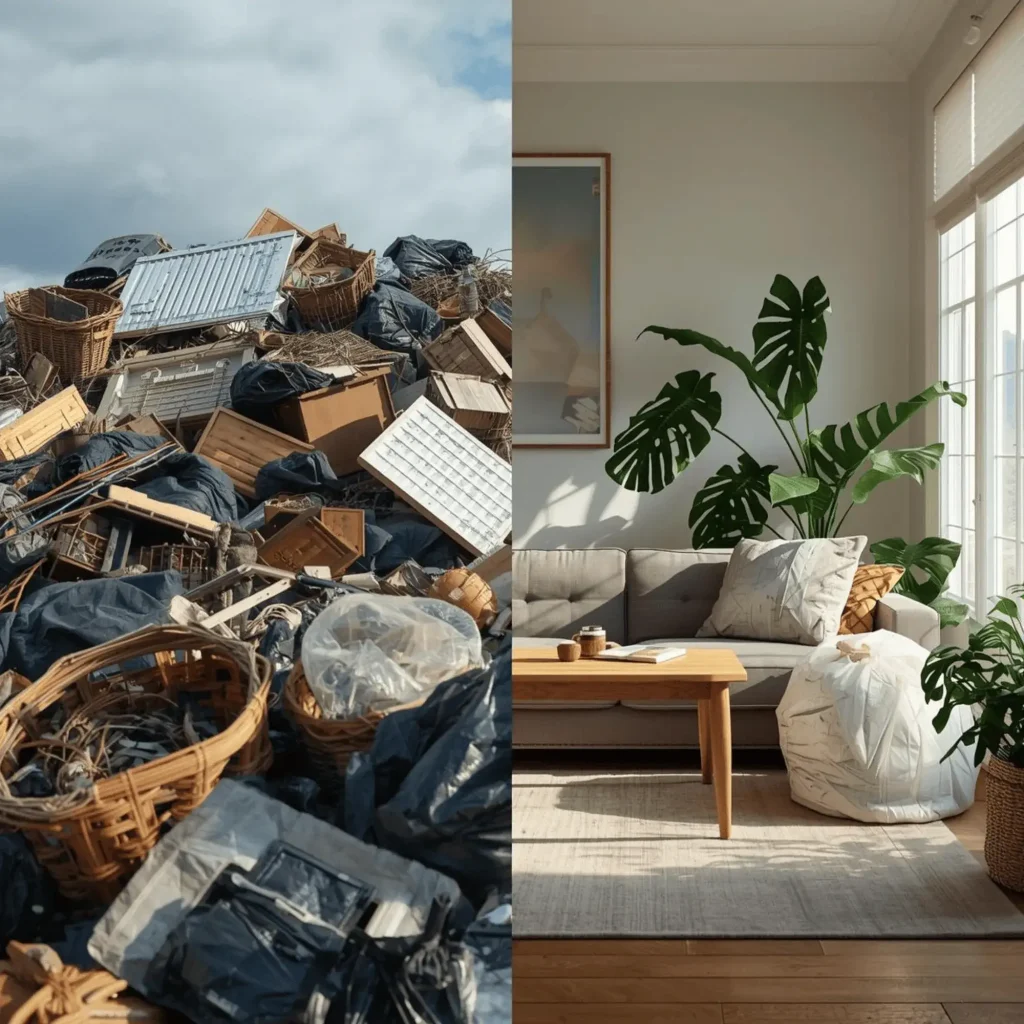
DIY eco-friendly decor ideas help solve these issues. By upcycling old materials, you keep usable items out of waste streams. Choosing natural materials like bamboo, cork, and reclaimed wood supports renewable resources. Every piece you make yourself means one less item that needs to be manufactured, packaged, and shipped across the globe.
Cost Savings and Budget-Friendly Solutions
Many people think living sustainably is expensive, but DIY eco-friendly decor can be affordable. For example, a reclaimed wood coffee table is much cheaper than a new one. You usually only need sandpaper, wood stain, and some effort to make it. Using mason jars as planters means you can use containers you already own instead of buying new pots.
Furniture industry estimates show that DIY upcycled furniture projects cost 60-80% less than new items. A pallet coffee table might only cost $20-40 in materials, while a new table could cost $200-400. Wine bottle vases are nearly free, as you just need bottles you’ve already used and some basic craft supplies. These savings add up quickly when you are furnishing or redecorating your home.
check out these high-end home decor dupes using only Dollar Tree items that prove style doesn’t require a big budget.
Personalization and Unique Style
Mass-produced decor lacks personality. When you enter many homes, you see the same items from large stores. DIY eco-friendly decor ideas help you create a unique living space that no store can match. Your reclaimed wood wall art tells a story. Your upcycled fabric wall hanging shows your color preferences and creativity.
Handmade decor can also spark conversations. Guests often ask about your unique pieces, giving you a chance to share your journey towards sustainability and inspire others. Completing each project boosts your creative confidence and helps you build skills for future projects.
Essential Materials for Eco-Friendly DIY Projects
Recycled and Upcycled Materials to Collect
Start building your eco-friendly materials collection today. You can repurpose glass jars from pasta sauce, pickles, and jams into planters, storage containers, and candle holders. Cardboard boxes can be turned into picture frames, drawer organizers, and craft supplies. Old t-shirts that no longer fit can become rugs, wall hangings, and cleaning rags.
Wine and beer bottles can make elegant vases when cut properly. Wooden pallets, which you can often get for free from many businesses, can be used for furniture projects. Newspapers and magazines can be used for papier-mâché or as protective coverings for messy projects. Fabric scraps from old curtains, sheets, and clothing offer many options for textile projects.
The key is to see potential instead of trash. Before you toss anything, ask yourself: “Could this become something beautiful?”
Natural and Sustainable Materials
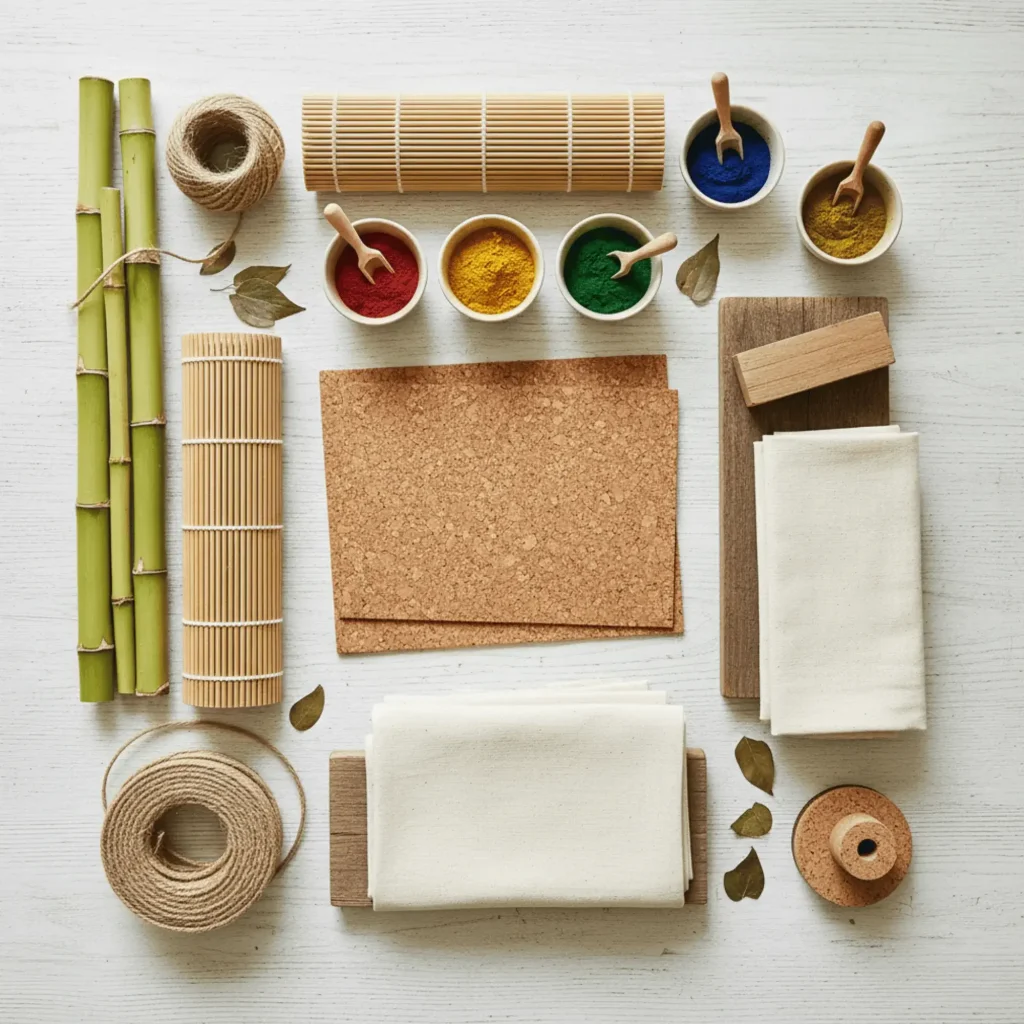
Use recycled materials and complement them with eco-friendly items when needed. Bamboo grows quickly without pesticides, making it a great choice for sustainable projects. Cork comes from the bark of trees without harming them, and it grows back naturally. Jute and hemp create strong rope and fabric, perfect for bohemian-style decor.
Reclaimed wood from old buildings or fallen trees has a unique character that new wood can’t match. Check local architectural salvage stores for these materials. Organic cotton and linen are good, eco-friendly fabrics to consider for new textiles. You can naturally dye fabrics using plants like turmeric, beets, and avocado pits, avoiding harsh chemicals.
Eco-Friendly Tools and Supplies
Not all craft supplies are the same. Standard white glue and wood glue are usually safe and biodegradable, but try to avoid synthetic adhesives. Choose water-based, low-VOC paints and finishes to reduce indoor air pollution. Beeswax and linseed oil are good natural wood finishes that can be used on surfaces that contact food.
Invest in quality tools that will last for years instead of buying disposable ones. A good set of paintbrushes, when cleaned properly, can last through many projects. Quality sandpaper, saws, and hammers last longer than cheap options and work better. This mindset matches well with sustainable living principles.
Beginner-Friendly DIY Eco-Friendly Decor Ideas
Mason Jar Planters and Organizers
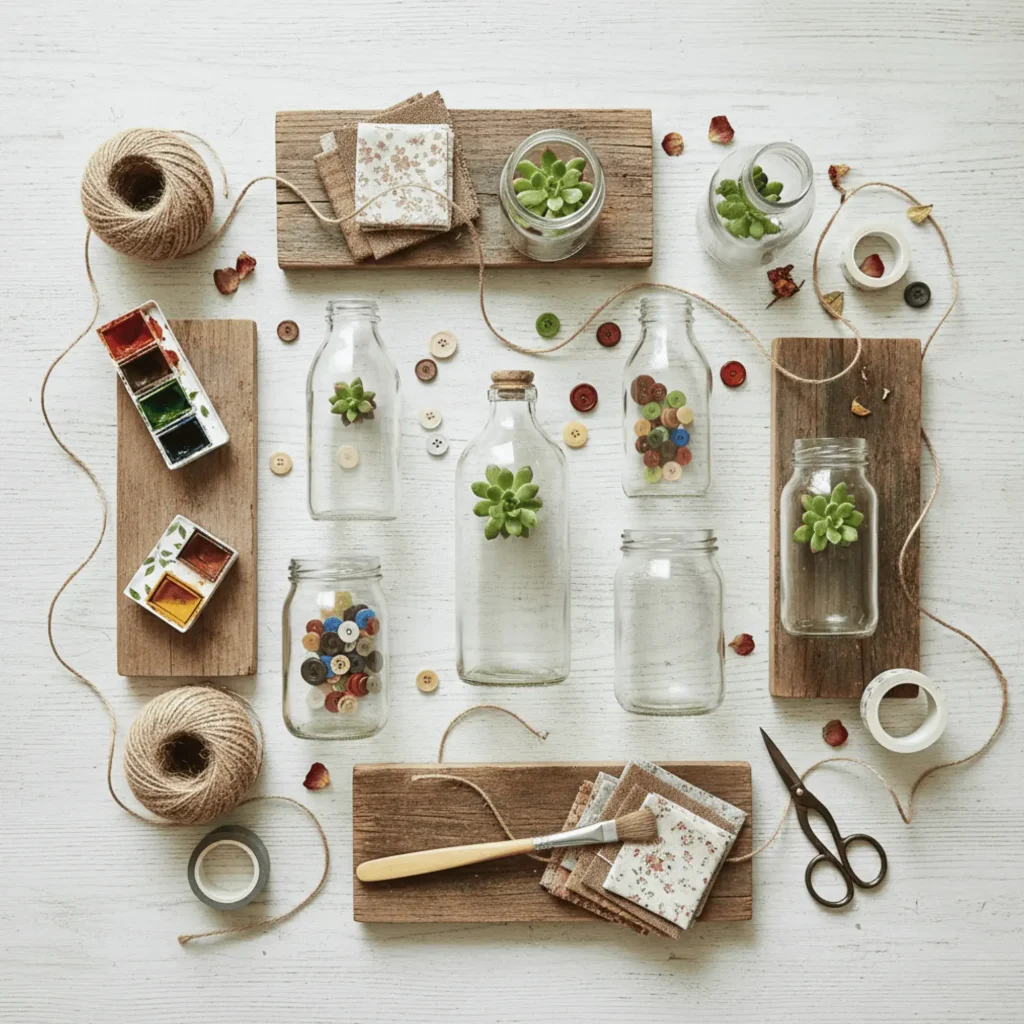
Mason jars are great for DIY eco-friendly decor. They are versatile and easy to use, making them ideal for beginners.
For hanging planters, wrap wire or twine around the neck of the jar. Use a nail and hammer to make drainage holes in the bottom, then fill the jar with soil and plant herbs or succulents.
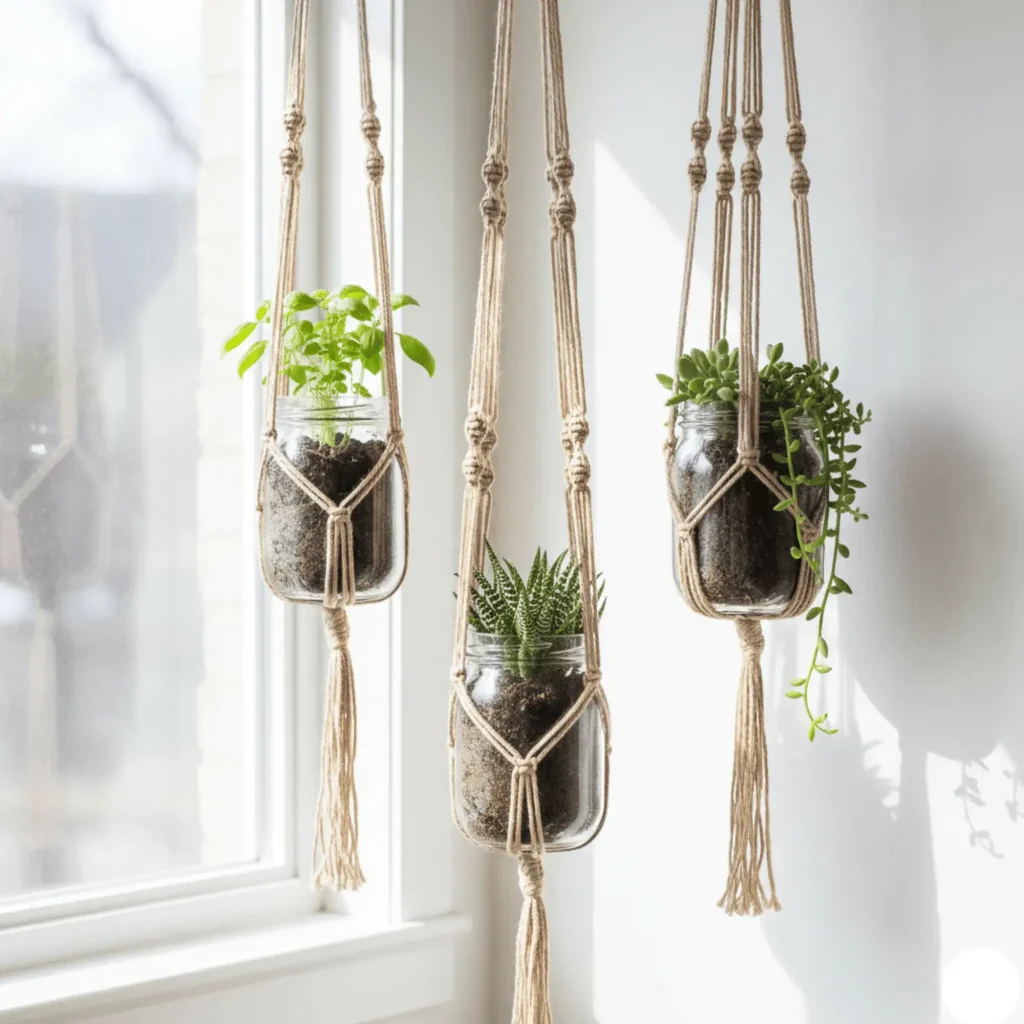
Making desk organizers is even simpler. Clean the jars, soak them in warm soapy water to remove the labels, and place them on a wooden board or tray. You can use them to hold pens, makeup brushes, craft supplies, or kitchen utensils. Paint the lids with chalkboard paint to create labels that you can change as needed.
Time needed: 30-60 minutes per project. Cost: Free if you use jars you already have.
Upcycled Fabric Wall Hangings
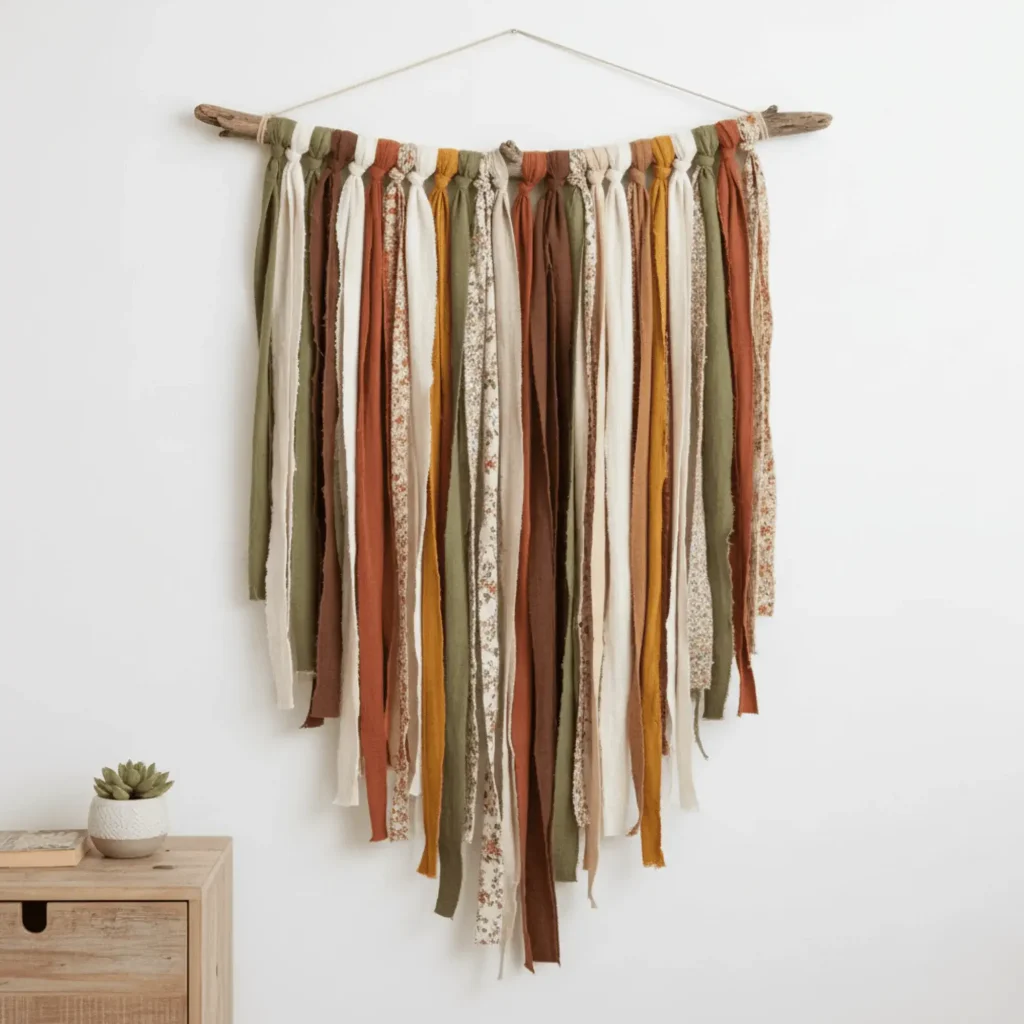
You can turn old t-shirts into stylish wall art. First, cut the fabric into strips that are about two inches wide and in different lengths. Tie these strips onto a wooden dowel or a branch you found outside. Use various colors and textures for a more interesting look. You can trim the bottom into a curve or leave it messy and uneven.
If you want a neater design, you can weave using a cardboard loom. Cut notches in the top and bottom of a sturdy piece of cardboard. Then, string it with yarn or fabric strips for the vertical threads and weave fabric scraps through horizontally. This will create a unique piece of textile art. It takes time but costs nothing.
Time needed: 1-3 hours, depending on size. Cost: Free, using materials you already have.
Wine Bottle Vases and Candle Holders
You can turn wine bottles into beautiful vases easily. For a simple option, just remove the labels and use the bottles as they are. You can paint them with chalk paint for a soft finish, wrap them in twine or rope for added texture, or keep them clear to show off colored water and flowers.
If you want to try a more advanced method, you can cut the wine bottles to make professional-looking vases. Use a glass cutter to score the bottle, then alternate hot and cold water to break it along the scored line. Be sure to sand the edges smooth. Always wear safety glasses and take care while working. Fill these cut bottles with single-stem flowers for a minimalist look.
Time needed: 15 minutes for the no-cut version, 1-2 hours for cut bottles. Cost: free, plus any decorative materials.If you’re looking for more quick and affordable craft ideas, explore these 10 easy Dollar Tree crafts that transform inexpensive items into stylish decor.
Cardboard Picture Frames
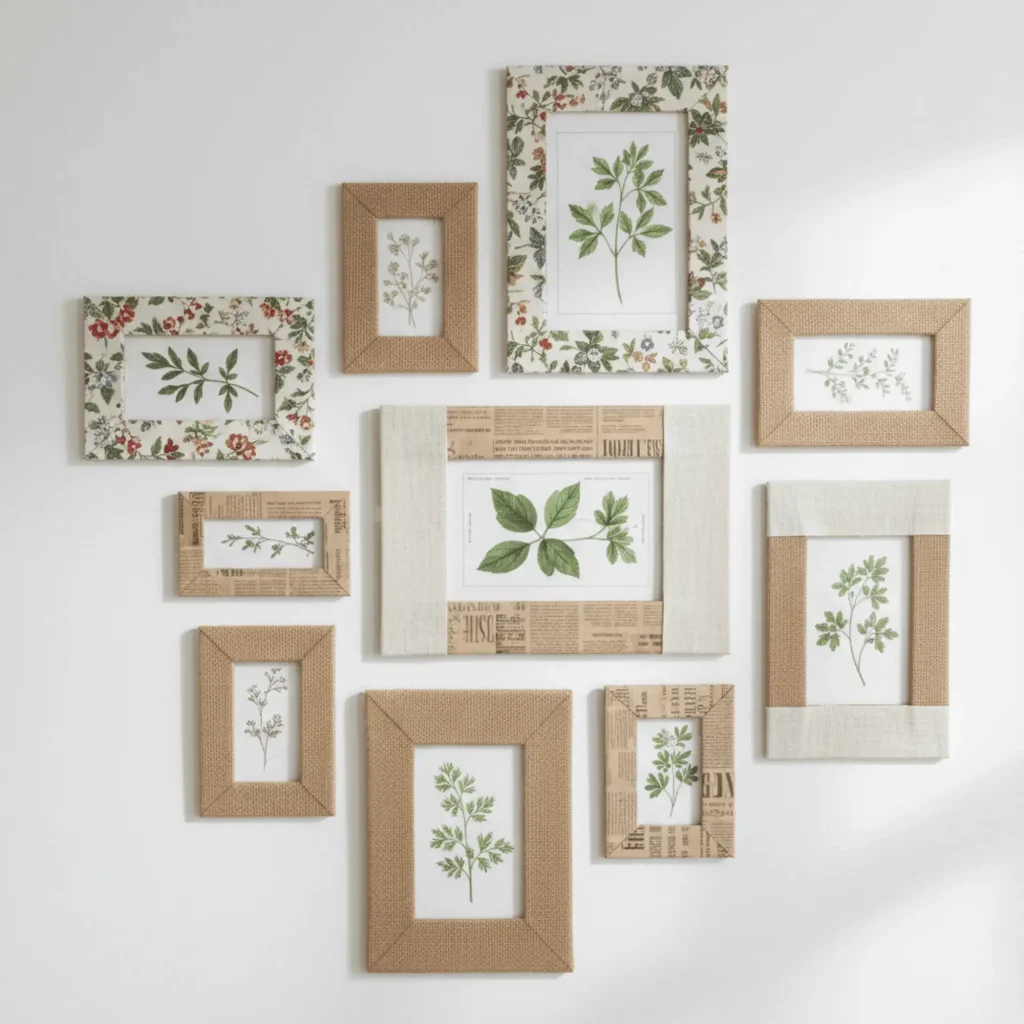
You can make custom picture frames using old shipping boxes or cereal boxes. First, cut two identical shapes from sturdy cardboard. The inner opening should match the size of your photo or artwork. Glue the two cutouts together, with your image sandwiched in between.
You can cover the frame with fabric scraps, decorative paper, or paint it in colors that match your room. For added texture, glue on buttons, shells, dried flowers, or small pebbles. To create patterns, use washi tape or paint. The cardboard is easy to work with, so you can experiment freely.
To hang your finished frames on the wall, use command strips to avoid damaging the surface.
Time needed: 1-2 hours. Cost: Free if you use materials you already have at home.
Intermediate DIY Eco-Friendly Decor Projects
Pallet Furniture: Coffee Tables and Shelving
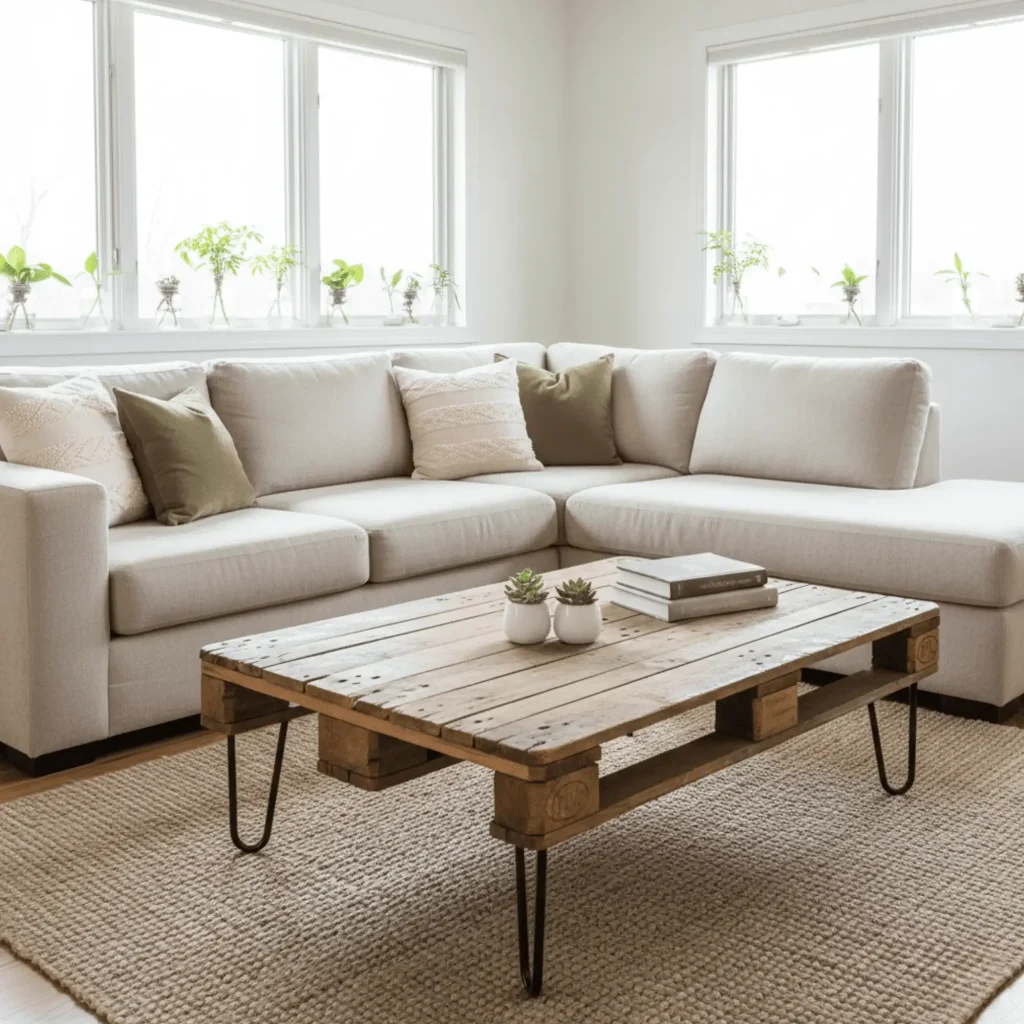
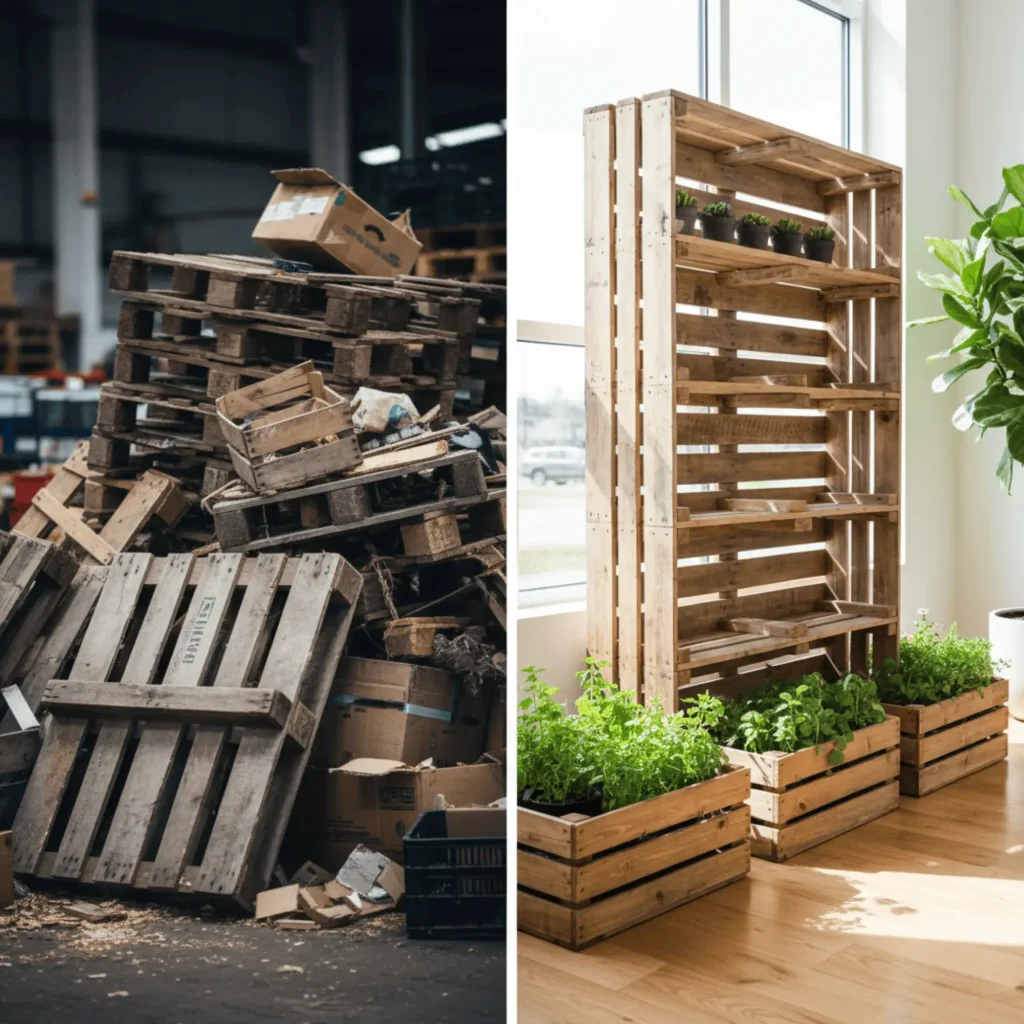
Wooden pallets can be transformed into beautiful furniture. First, check your pallets for safety. Look for “HT” (heat-treated) stamps and avoid pallets marked with “MB” (methyl bromide-treated). Carefully take apart the pallets with a pry bar, or use them whole for a rustic look.
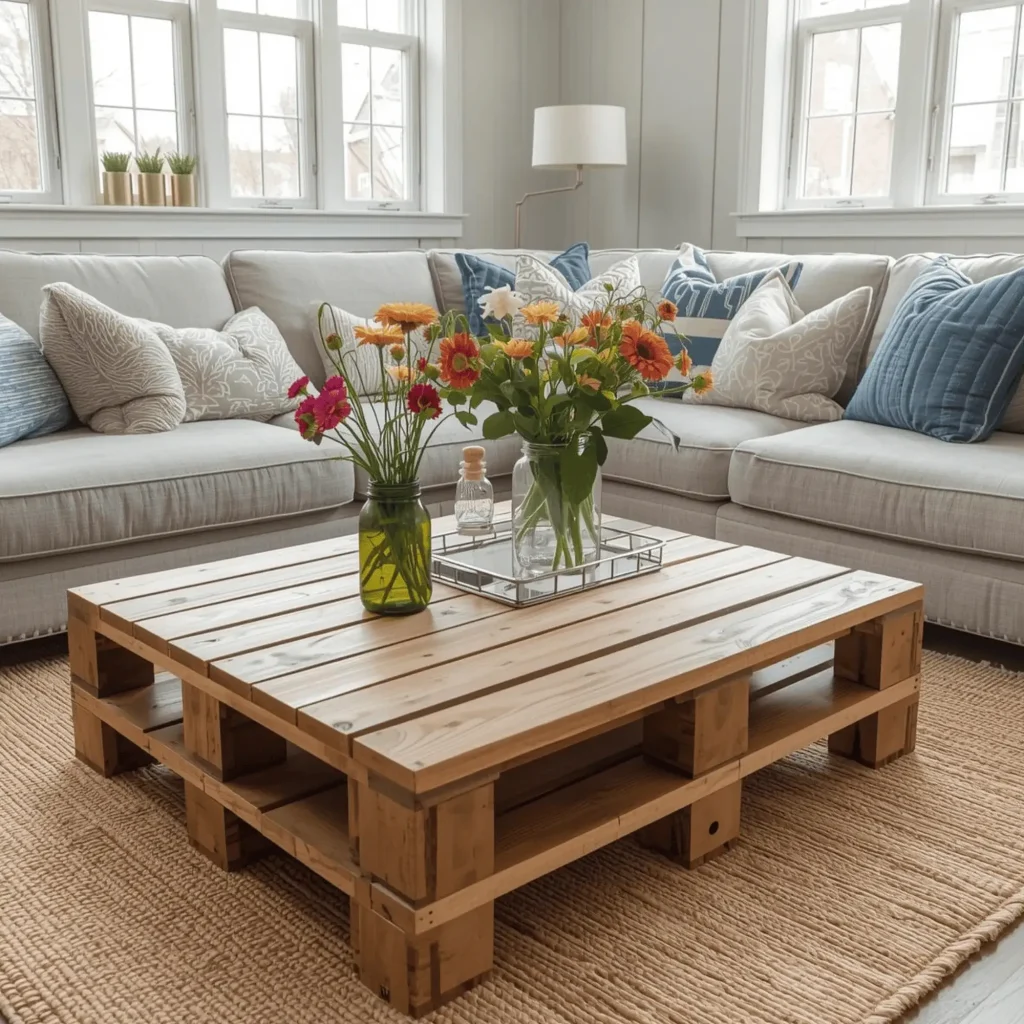
To make a simple coffee table, sand the pallet well to get rid of splinters. Then, attach hairpin legs or casters for easy movement. You can stain or paint it as you like and seal it with polyurethane for durability. For a taller table, stack two pallets or cut one to make a smaller side table.
Vertical pallet shelving is perfect for plants, books, or kitchen storage. Mount a pallet horizontally on the wall and use the gaps between the slats as shelves. You can place small pots, jars, or baskets on the shelves for organized storage that shows off your items.
Time needed: 4-8 hours, including drying time. Cost: $20-50 for legs, hardware, and finish.
Natural Fiber Rugs from Old T-Shirts
You can turn old t-shirts into durable rugs instead of donating them. Start by cutting the shirts into long strips in a spiral pattern. Roll these strips into balls like yarn. Next, braid three strips together tightly and coil the braid into a circular or oval shape. Use strong thread or fabric glue to stitch the coils together on the underside.
Another option is to make a woven rug using a hula hoop. Wrap t-shirt yarn around the hoop to create vertical threads, then weave more strips through these threads. Once finished, cut the piece from the hoop and tie off the edges. You can mix colors for patterns or use neutral tones for versatility.
Time needed: 8-12 hours for a medium-sized rug. Cost: Free if you use old clothing.
Reclaimed Wood Wall Art and Accent Walls
Reclaimed wood adds warmth and character to any wall. For geometric wall art, cut wood pieces into triangles, rectangles, or hexagons. Arrange these pieces on a backing board in different patterns, using various wood tones and grain directions. Use wood glue and picture hanging hardware to secure them.
A full accent wall creates a dramatic look. Install horizontal planks across one wall, mixing different widths and tones of wood for visual interest. Stagger the seams like brickwork for a professional finish. Sand the entire surface and apply a clear sealer to protect the wood while showing off its natural beauty.
Time needed: 1-3 hours for wall art and a full weekend for the accent wall. Cost: $0-100, depending on where you get the wood.
DIY Terrariums with Recycled Glass
You can create small ecosystems in clear glass containers like large jars, fishbowls, or light bulbs. Start by putting small pebbles at the bottom for drainage. Then add activated charcoal to keep the air fresh, and top it with potting soil. Plant small succulents, air plants, or moss. You can also include decorations like small figurines, stones, or shells.
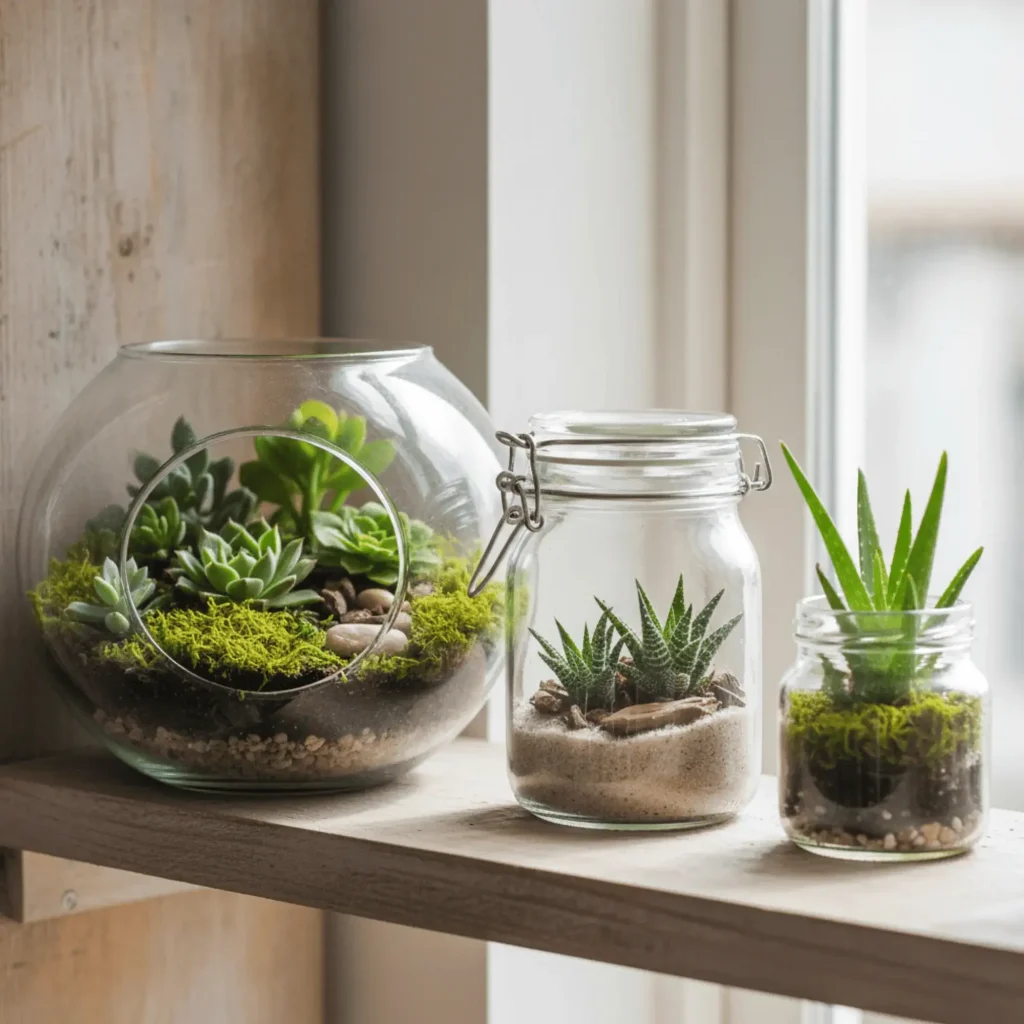
If you use closed terrariums with lids, they can become self-sustaining and need little watering. Open terrariums require more frequent watering but make it easier to tend to the plants. You can display several terrariums of different sizes together for a beautiful centerpiece that cleans the air.
Time needed: 30-90 minutes per terrarium. Cost: $5-15 for plants and soil if you don’t already have them.
Room-by-Room DIY Eco-Friendly Decor Ideas
Living Room: Sustainable Style and Comfort
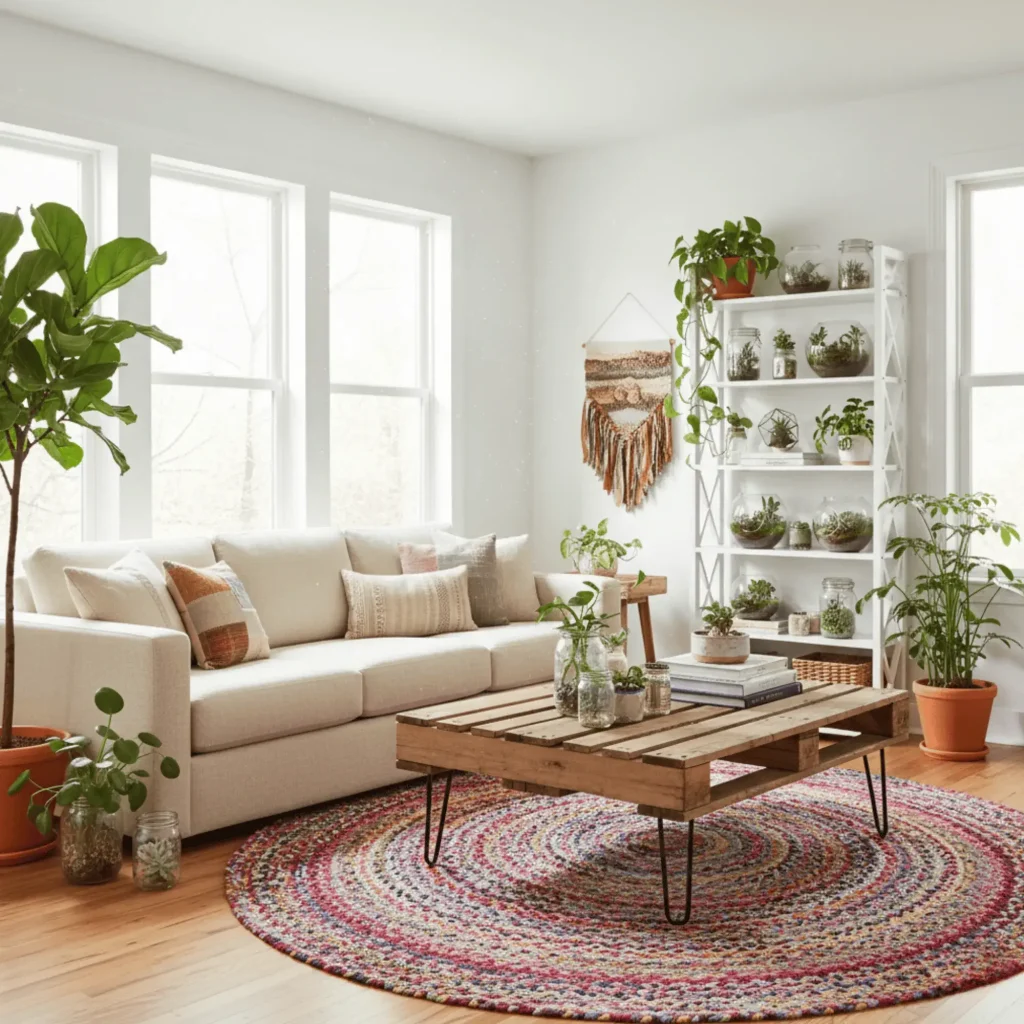
Your living room sets the mood for your home. Start with a pallet coffee table as the main piece. Surround it with floor cushions made from vintage fabric. Create a gallery wall with cardboard frames of different sizes, filled with botanical prints or your own nature photos.
Hang macramé plant holders made from old t-shirt yarn and fill them with trailing pothos or spider plants to improve air quality. Drape a natural fiber throw made from upcycled sweaters over your sofa. Replace plastic trash bins with woven baskets that also serve as decoration.
Bedroom: Creating a Serene Green Space
Make your bedroom a peaceful retreat with eco-friendly decor. Start by making a fabric headboard. Stretch organic cotton or vintage linen over a wooden frame. Set up a reading nook with floor cushions filled with repurposed pillow stuffing. Hang sheer curtains made from vintage scarves or lightweight fabric scraps to let in soft, filtered light.
You can also make your own throw pillows from old jeans or vintage tablecloths. The durable denim adds texture and gives a new life to worn clothing. Use wine bottles as candle holders; the glass will diffuse candlelight beautifully. Lastly, place a terrarium on your nightstand for a touch of greenery.
Kitchen: Functional and Eco-Conscious Decor
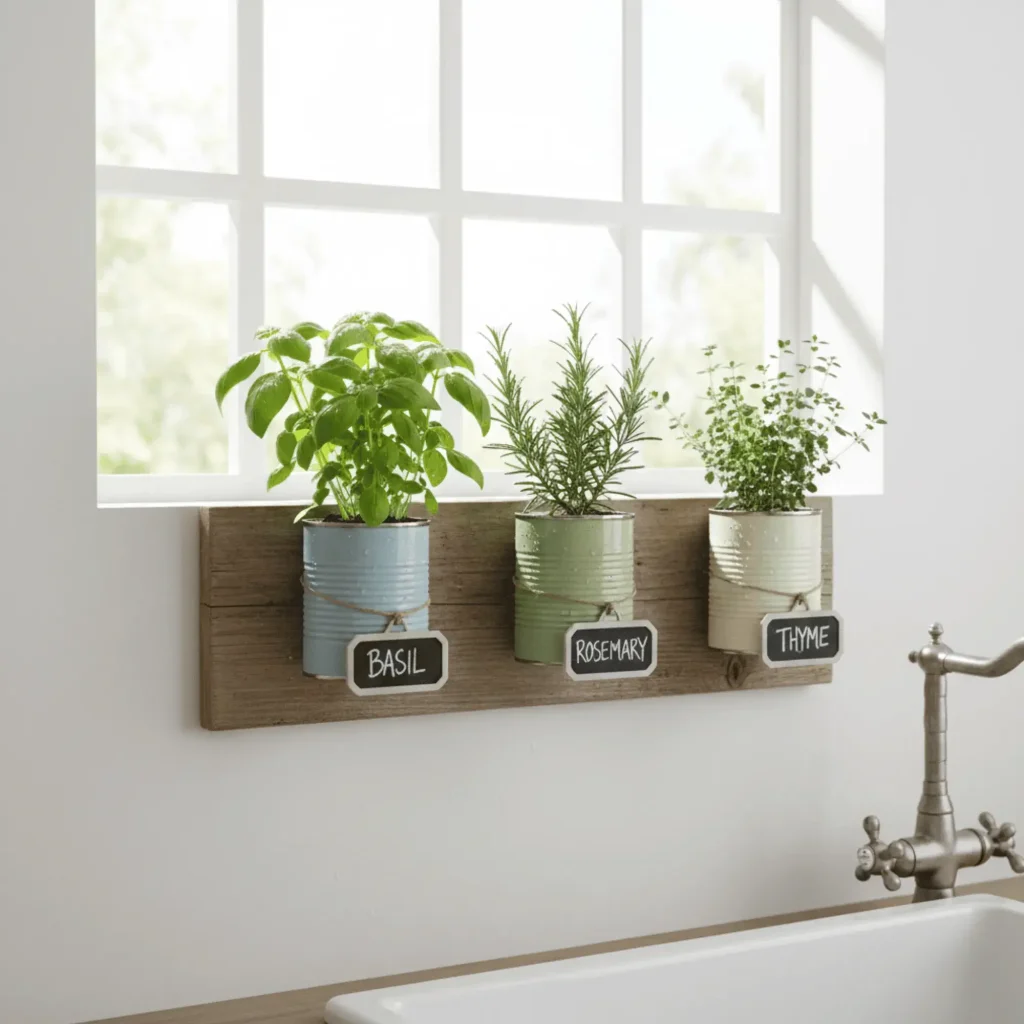
Kitchens can be more useful with decor that has multiple functions. Grow an herb garden in recycled tin cans attached to a wooden board. Use chalkboard paint to label each can. Store utensils in large mason jars or ceramic crocks instead of plastic holders. Create open shelves with reclaimed wood planks and metal brackets to display your dishes as decoration.
Make produce hammocks from old t-shirts to keep fruits and vegetables visible and easy to reach while saving counter space. Cover refrigerator magnets with fabric scraps for matching colors. Use wine corks as trivets or glue them onto boards to make bulletin boards for recipes and shopping lists.
Bathroom: Spa-Like Sustainable Touches
You can make even a small bathroom eco-friendly with simple ideas. Use an old wooden ladder as a towel rack by leaning it against the wall. Organize cotton swabs, bath salts, and other items in mason jars. Create a bamboo toothbrush holder by drilling holes in a small piece of wood.
Make a bath mat from old towels by cutting them into strips and braiding or weaving them together. Display plants that love humidity, like pothos or ferns, in hanging containers made from macramé or recycled materials. Swap plastic soap dispensers for vintage glass bottles with pump tops.
Seasonal DIY Eco-Friendly Decor Ideas for a Greener Living Space
Spring and Summer: Natural and Light
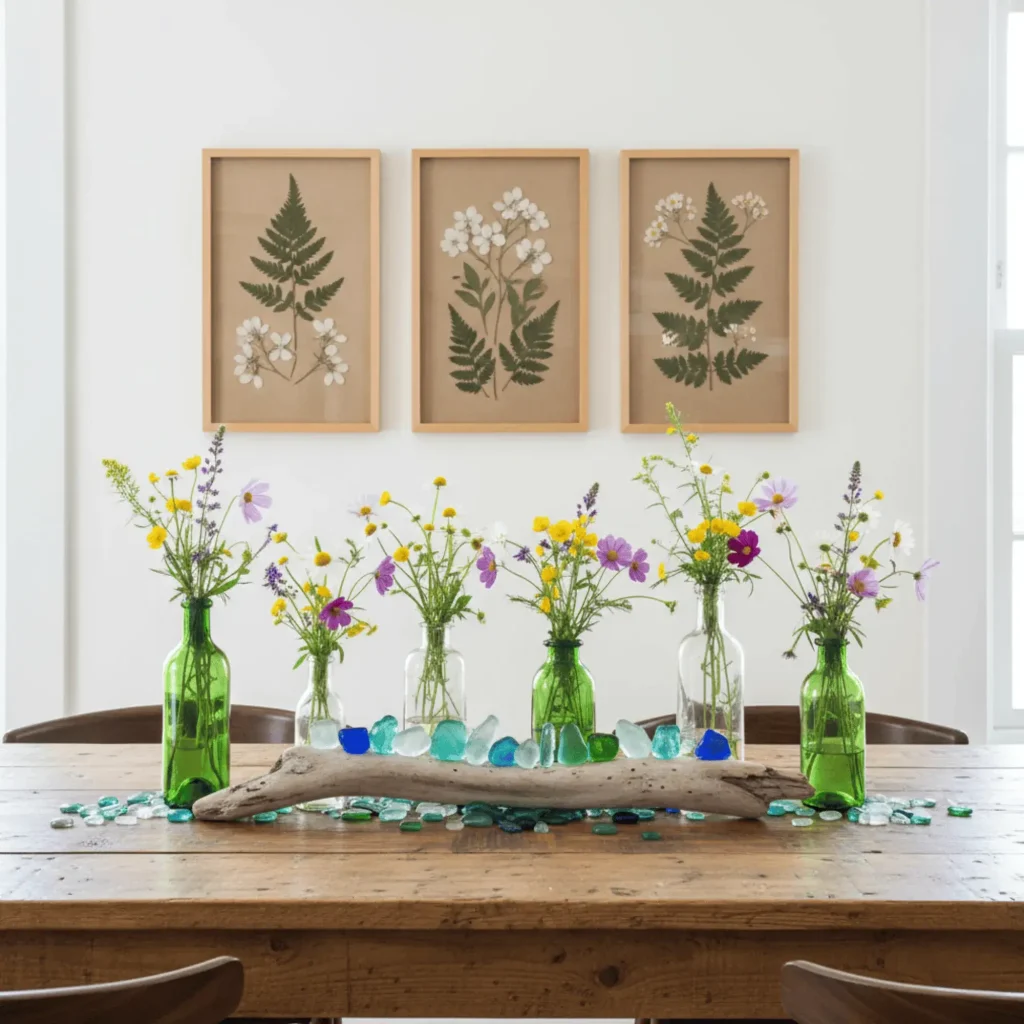
Welcome the warmer months with nature-inspired decor. Create centerpieces using collected driftwood, beach glass, and shells in shallow bowls. Make flower pressing a spring habit by framing pressed flowers between glass sheets for art. Sew light curtains from vintage linen sheets in whites and pastels.
Craft luminaries from recycled tin cans by hammering holes in patterns and placing candles inside. The holes project beautiful light patterns. Collect wildflowers on walks and display them in wine bottle vases. Create outdoor lanterns from mason jars with wire handles for patio evenings.
Fall and Winter: Cozy and Warm
As the weather gets colder, update your decor to make it feel cozy. Collect pinecones on nature walks and put them in bowls or make garlands with them. Press fall leaves to create artwork for the season. Use old wool sweaters to make chunky knit blankets by unraveling them and re-knitting with large needles or even your arms.
Make natural wreaths by using grapevine bases and adding dried flowers, seed pods, and evergreen sprigs with wire. Create candle holders from birch logs by drilling holes to fit candles. Display seasonal gourds and branches in vintage pitchers or crocks. Layer rugs to add warmth and texture, mixing your t-shirt rugs with natural fiber options.
Tips for Sourcing Eco-Friendly Materials
Where to Find Free or Low-Cost Supplies
Don’t overlook the treasures you can find on the curb. Many neighborhoods have specific trash days when residents throw out furniture and household items. Drive around on these days to find materials you can upcycle. Always ask for permission before taking things from private property.
Join local Buy Nothing groups on Facebook. Members give away items for free. You can also post requests for specific materials you need for your projects. Check Facebook Marketplace and Craigslist for free items that people want to get rid of. Visit thrift stores and estate sales to find vintage fabrics, frames, and furniture to transform.
Construction sites often have scrap wood they might give away—just ask the site manager first. Some businesses, like grocery stores and warehouses, give away pallets for free. Search online for “free pallets near me” to find local sources. Attend community swap events where people trade unwanted items without using money.You can also combine free materials with affordable supplies—these 10 Dollar Tree DIY home decor projects show how budget-friendly items can elevate your eco-friendly creations.
How to Identify Truly Sustainable Materials
Not all claims of being “eco-friendly” are real. Look for trustworthy certifications like FSC for wood products, GOTS for fabrics, and Greenguard for low-emission materials. Research companies before you buy to check their sustainability practices.
Check for VOC content in paints and finishes. Choose low-VOC or zero-VOC products to keep indoor air quality safe. Avoid materials marked with “MB” on pallets, as this means they were treated with methyl bromide. When choosing adhesives and sealants, pick water-based options when you can.
Think about the whole lifecycle of materials. Bamboo may seem eco-friendly, but it could have traveled a long way to reach you. Local reclaimed wood usually has a smaller environmental impact. Try to balance the sustainability of materials with their transportation impacts whenever possible.
Common Mistakes to Avoid
Using Treated or Toxic Materials
Safety is the top priority in DIY projects. Some pallets contain toxic chemicals that make them unsafe for indoor use or for contact with food. Always check for stamps and research markings before using pallets. Avoid using pressure-treated wood for furniture projects because it has chemicals that can release harmful gases.
Old painted furniture may have lead paint. Use inexpensive lead test kits to check for lead before sanding or repurposing. Some reclaimed materials might contain asbestos or other dangerous substances. If you are unsure, research thoroughly or choose safer alternatives instead.
Overcomplicating Simple Projects
Many beginners take on projects that are too difficult, which can be really frustrating. It’s better to start with simple projects, like making mason jar organizers, before moving on to things like pallet furniture. Build your skills step by step. Watching video tutorials can help you understand how to do things before you start. Don’t hesitate to change projects to fit your skills.
Remember, handmade items don’t have to be perfect. Your first projects might not look professional, and that’s okay. Each project helps you learn new skills that will improve your next creation. Focus on the learning process instead of expecting everything to be perfect right away.
Neglecting Durability and Longevity
Sustainable living means making items that last. Seal wooden projects well to avoid water damage and splitting. Use quality hardware that won’t rust or break. Strengthen stress points on furniture for safety and durability. Sand all surfaces well to prevent splinters.
Think about how items will be used before finalizing designs. Coffee tables need strong construction to hold weight. Plant holders must drain properly to avoid water damage. Take your time to do things right rather than rush to finish. Items that last for years are much more sustainable than those that break quickly.
Maintaining Your DIY Eco-Friendly Decor
Cleaning and Care Tips
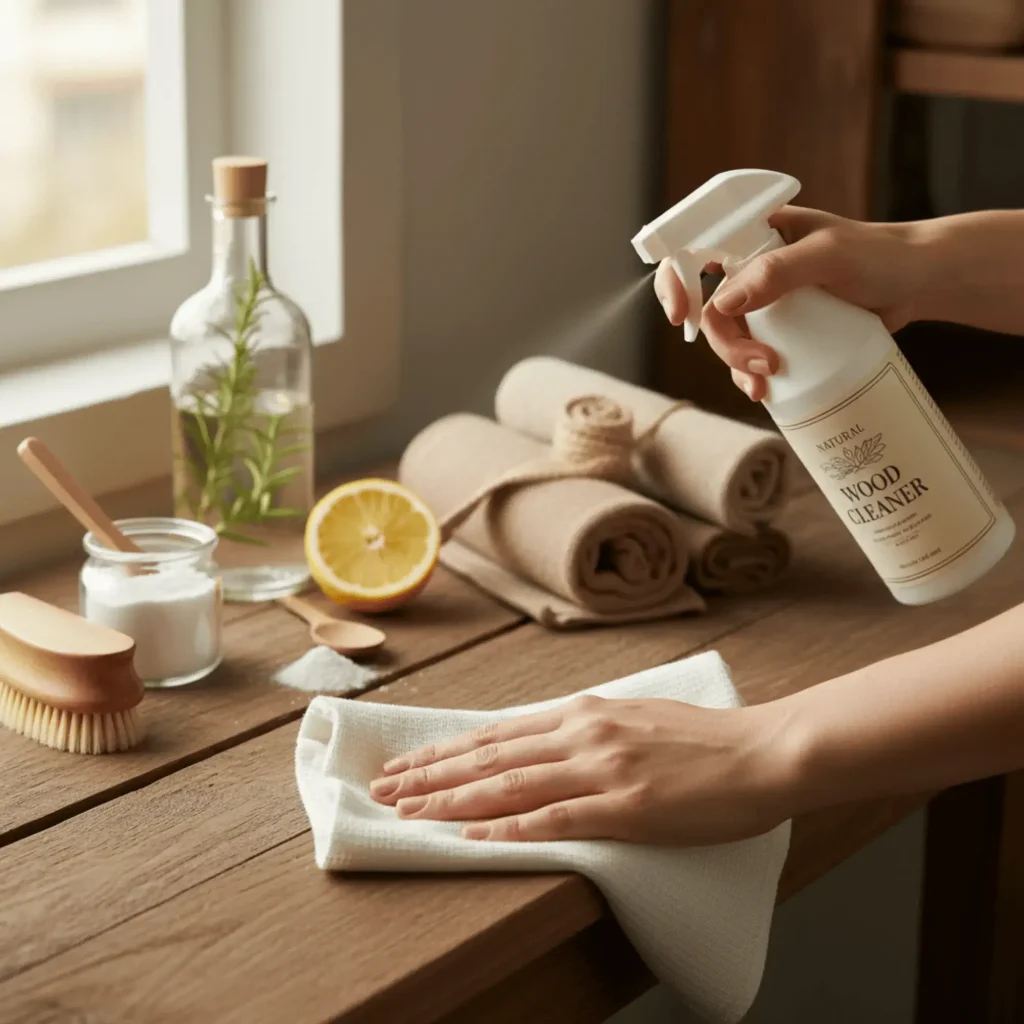
Different materials need different care. Clean wooden items with a slightly damp cloth instead of soaking them. Use natural cleaners like vinegar and water for most surfaces. Avoid harsh chemicals that can damage finishes and create toxic fumes.
Dust fabric items often to prevent buildup. Wash upcycled fabric pieces in cold water to avoid shrinking and fading. Refresh painted surfaces by adding more coats as needed. Treat wood once a year with natural oils to keep it moist and prevent cracking. Regular maintenance can greatly extend the life of your creations.
Repair and Refresh Strategies
Don’t throw away items when they show signs of wear—use this chance to refresh them. Sand and repaint wooden items when the finish starts to fade. Re-stain wood pieces in new colors as your style changes. Instead of discarding worn fabric on cushions or wall hangings, replace it.
Think of your creations as changing rather than permanent. A wall hanging that seems outdated in a couple of years can be taken apart, and the materials can be reused. This approach promotes sustainability by keeping materials in use instead of following a pattern of use and disposal.
Conclusion
DIY eco-friendly decor ideas help you create a greener living space without sacrificing style. Each project reduces waste, saves money, and adds a unique touch that shows your values and creativity. You can choose from simple mason jar planters to more complex pallet furniture, making it easy to find projects for any skill level and budget.
Remember, the goal isn’t perfection—it’s about making progress. Start with one simple project that excites you. This could be turning wine bottles into vases or making a fabric wall hanging. As you build your confidence and skills, you can take on more challenging projects. Share your creations with friends and family to inspire them to decorate sustainably.
Your home reflects your story. Make it one of creativity, resourcefulness, and respect for the planet. The small changes you make can influence others and contribute to a larger movement for sustainable living. Every recycled jar, upcycled piece of furniture, and hour spent creating instead of consuming helps us move toward a greener future.
Are you ready to start your eco-friendly decor journey? Choose one project from this list today and begin transforming your space while protecting the environment. Share your finished projects on social media using #GreenLivingDIY to motivate others in their sustainability efforts. Download our free printable materials checklist to gather supplies for your first project. Subscribe to our newsletter for weekly tips on green living and exclusive DIY tutorials sent straight to your inbox.
Your greener living space awaits—let’s create it together, one sustainable project at a time.
External Links
- EPA (Environmental Protection Agency) – Government Resource
- Better Homes & Gardens – Trusted Home Publication
FAQs
How much money can I actually save with DIY eco-friendly decor compared to buying new furniture and decorations?
DIY eco-friendly decor offers significant savings, typically costing 60-80% less than new items. For example, a reclaimed wood coffee table might cost $20-40, compared to $200-400 for a new one. Mason jar planters can be free if you use jars you already have, while new planters may cost $15-30 each. A pallet bookshelf could run $30-50 versus $150-300 for a new one.
These handmade pieces not only save you upfront but also last longer, allowing for easy updates with paint or fabric instead of new purchases. Many who choose DIY decor report saving thousands when furnishing their homes. The initial investment of time pays off both financially and environmentally.
Where can I find free or inexpensive materials for eco-friendly DIY projects if I’m just starting out?
Finding materials for DIY eco-friendly decor is easier than you think. Start by checking your home for items like glass jars, old t-shirts, and wine bottles. Join local Buy Nothing groups on Facebook or search Marketplace and Craigslist for free items. Drive around on bulk trash days to find furniture that just needs a little cleaning or repair. Visit thrift stores and estate sales for vintage finds, and ask local businesses for free pallets. Construction sites may also have scrap wood available. Community swap events and tool libraries are great for borrowing tools and materials. With creativity and resourcefulness, you can gather most materials for little to no cost.
Are DIY eco-friendly decor projects safe for beginners, or do I need special skills and tools?
Absolutely! There are plenty of DIY eco-friendly decor projects perfect for beginners, such as mason jar planters, wine bottle vases, cardboard picture frames, and fabric wall hangings. These require just basic household items and minimal skills—typically just scissors, glue, and paint.
Start with beginner-friendly projects to build confidence before moving on to more advanced ones like pallet furniture or cutting wine bottles. Always prioritize safety by wearing protective gear and working in well-ventilated areas. Avoid toxic materials and remember that handmade charm often lies in imperfections. Your first projects might not be perfect, but they’ll help you develop valuable skills for future creations.