Introduction
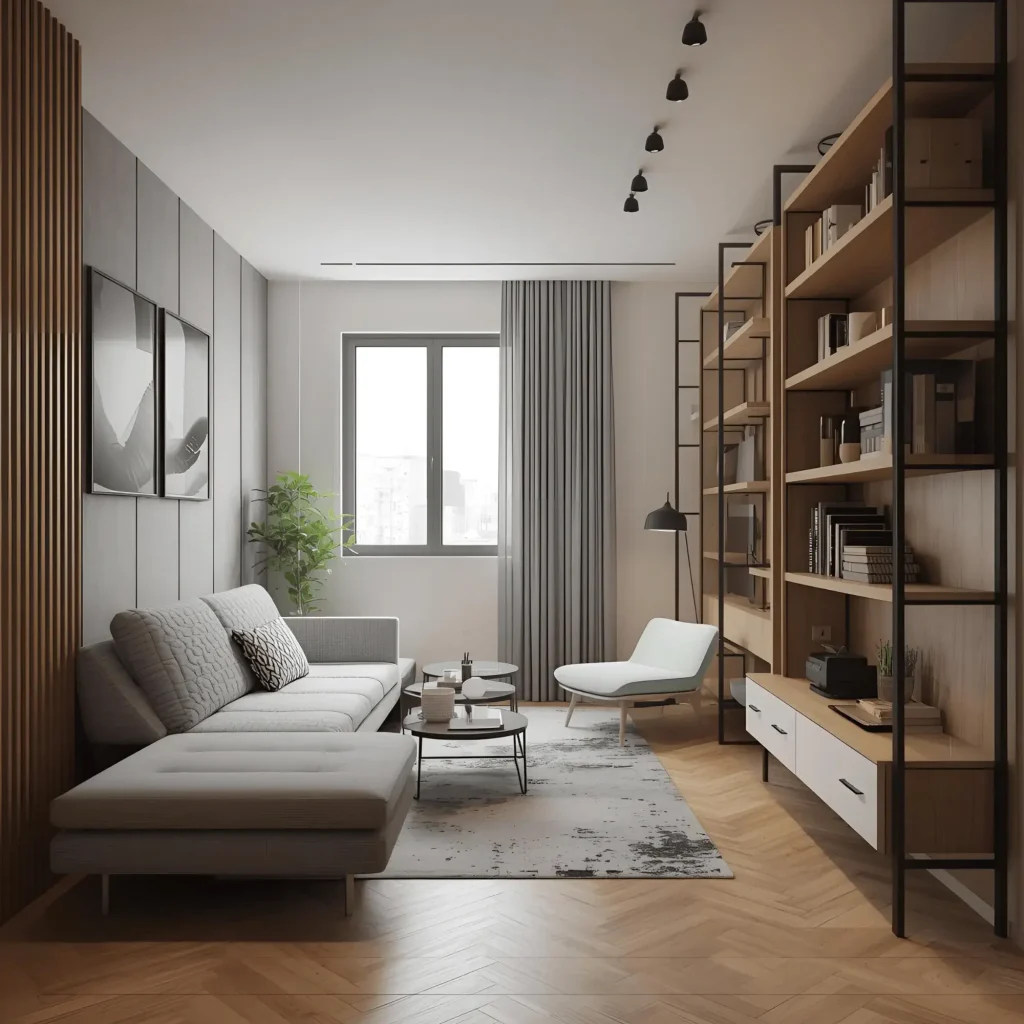
Living in a small space can still be stylish and comfortable. Whether you have a studio apartment, a small one-bedroom, or a tiny room, the right decorating tips can change how your space looks and feels.Small Space Decorating Rules Most People Don’t Know- Many people, however, use old or generic advice that makes their small areas feel cramped and cluttered.
Table of Contents
After working with many people living in small spaces and studying design principles, I found that some of the best decorating rules go against what most people think. These tips are not about using light colors or just adding more storage. Instead, they are unique strategies that many people don’t know. Once you try them, you’ll wonder why you didn’t know them before.
In this guide, you will learn seven helpful decorating rules for small spaces. You’ll also find tips to avoid common mistakes and how to use these strategies on a budget. Let’s get started and turn your small space into a home you love.
Why Many Small Space Decorating Tips Don’t Work
Before we discuss the rules, let’s look at why so much decorating advice doesn’t help with small spaces. Most general tips are made for average-sized homes and do not consider the specific challenges that come with having limited space.
The Problem with One-Size-Fits-All Solutions
When decorating a space of 400 square feet, standard rules don’t work the same way as they do in a 1,400-square-foot room. Suggestions like “create a reading nook” or “add a console table behind the sofa” are impractical when you have limited space. Small space decorating needs a different approach. It should focus on keeping a good flow, making items serve multiple purposes, and using tricks to make the area feel bigger.
What works in a large suburban home can cause problems in a city apartment. That’s why the following tips are designed specifically for making the most of both the physical space and the way it looks in small living areas.
Rule #1 – Float Your Furniture Away from Walls
Most people think pushing furniture against the walls creates more floor space. However, this is a common mistake in small rooms.
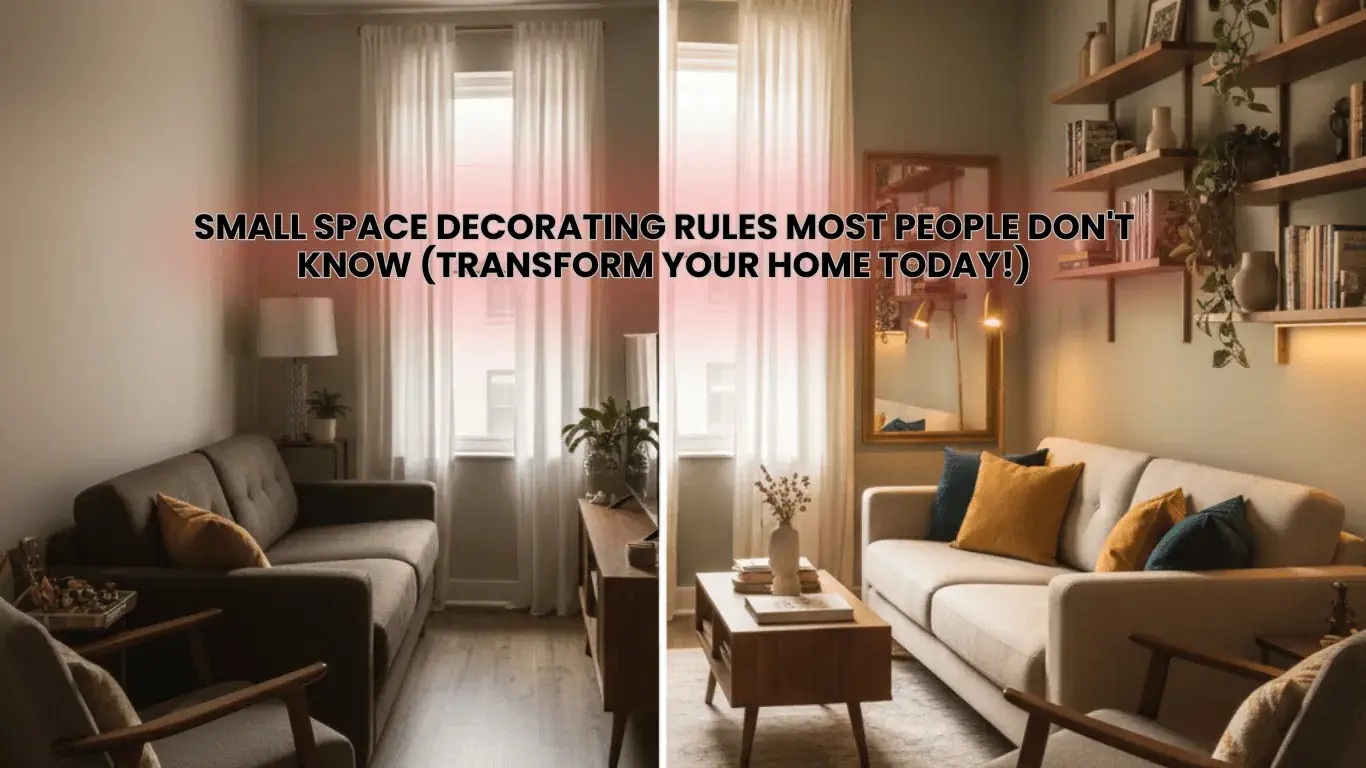
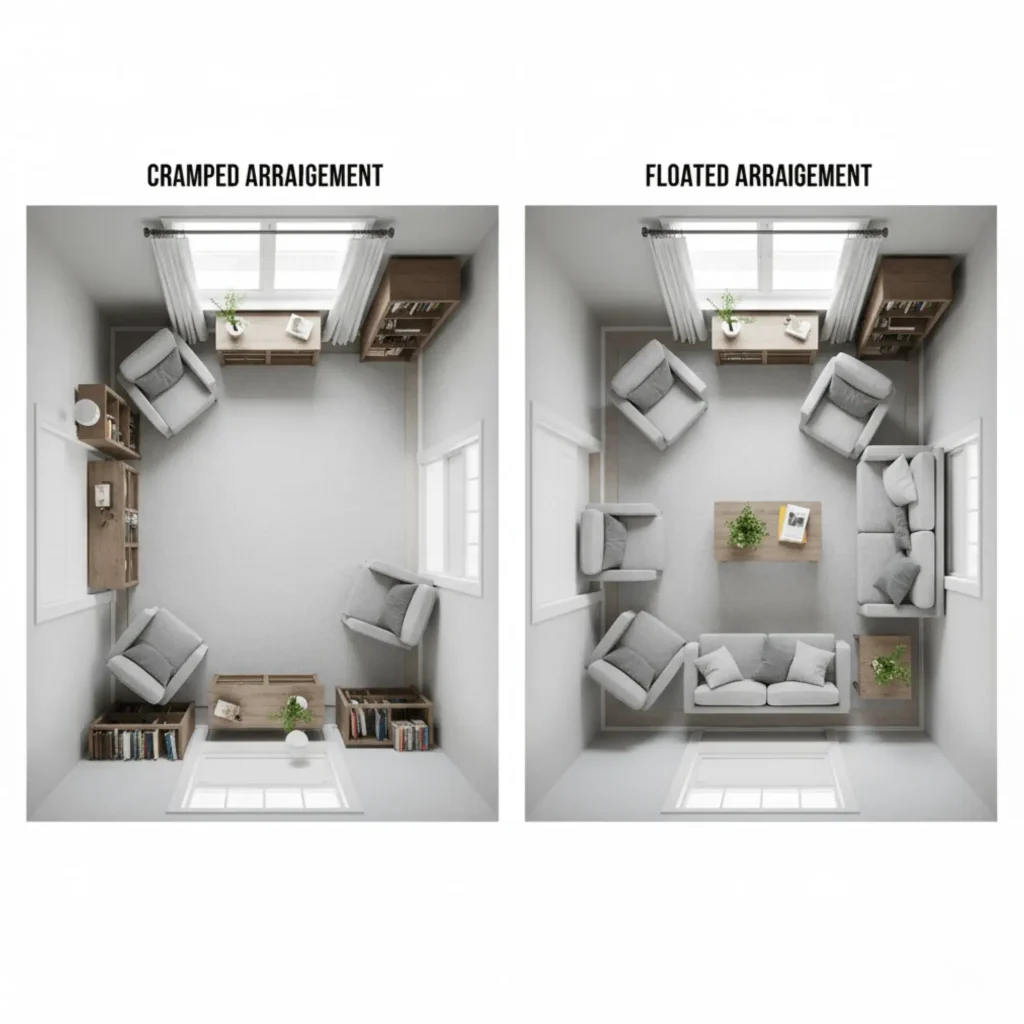
Moving furniture away from the walls, even just 6 to 12 inches, opens up pathways and gives the room visual space, making it feel larger. When everything is pushed to the edges, the room turns into a box with a wasted space in the center. Floating your furniture adds depth and makes the room look bigger.

This method is especially effective in living rooms and bedrooms. Try pulling your sofa about 8 inches from the wall, or leave a little space around your bed if you can. The area behind the furniture becomes more interesting instead of just a flat wall, and it improves the flow in the room.
You may worry about losing floor space, but the visual benefits are worth it. Creating clear pathways and a layered arrangement makes the space feel more sophisticated and roomy, even if it takes up a little more square footage.
Rule #2 – Use Vertical Space Like a Pro
When you can’t make your space bigger, try making it taller. This is an important tip for decorating small spaces that many people overlook. Your walls are valuable space that often goes unused or not fully used.
Strategic Shelving Placement
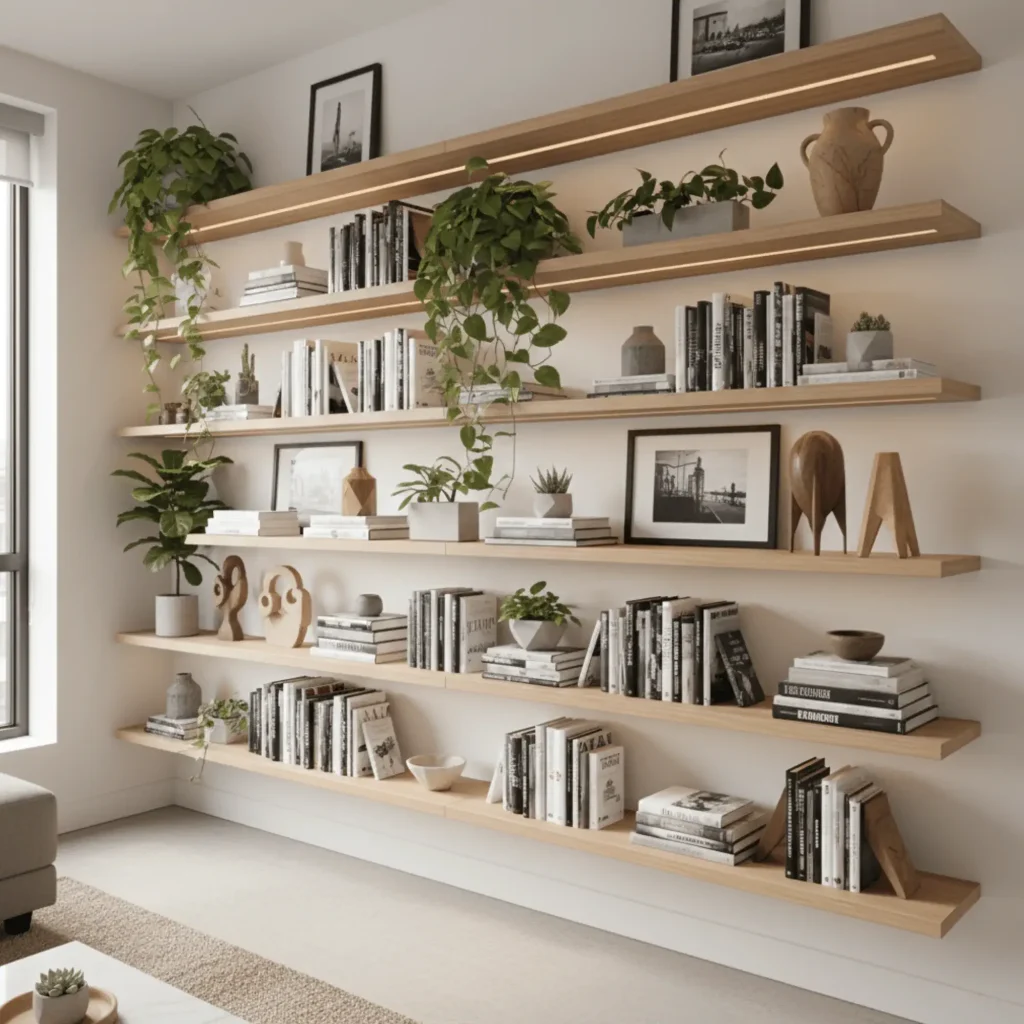
When installing shelves, think about going all the way up to the ceiling. This draws the eye upward and makes your walls look taller. Use the highest shelves for decorative items or things you don’t need often, like books, baskets, or attractive storage boxes. These add style without making a mess.
Keep your everyday items on the mid-level shelves. This keeps them easy to reach while freeing up floor and counter space. This storage method works well in kitchens, home offices, living rooms, and even bathrooms.
check out our guide on 10 Rental-Friendly Small Space Hacks where we share renter-approved ideas for maximizing height.
The Curtain Height Trick
Hang your curtains near the ceiling, not at the window frame. This change makes your ceilings look higher and your windows seem larger. Floor-to-ceiling curtains create straight lines that make the wall look longer and give your room a stylish, custom feel.
Use lightweight fabrics in neutral colors to keep the space open. Make sure the curtains just touch the floor for a tidy look. This simple change can make a small room feel much bigger.
Rule #3 – Choose Furniture with Exposed Legs
Heavy furniture with long skirts can work well in bigger homes, but they can make small spaces feel crowded. A helpful tip for decorating small areas is to choose furniture that shows some leg.
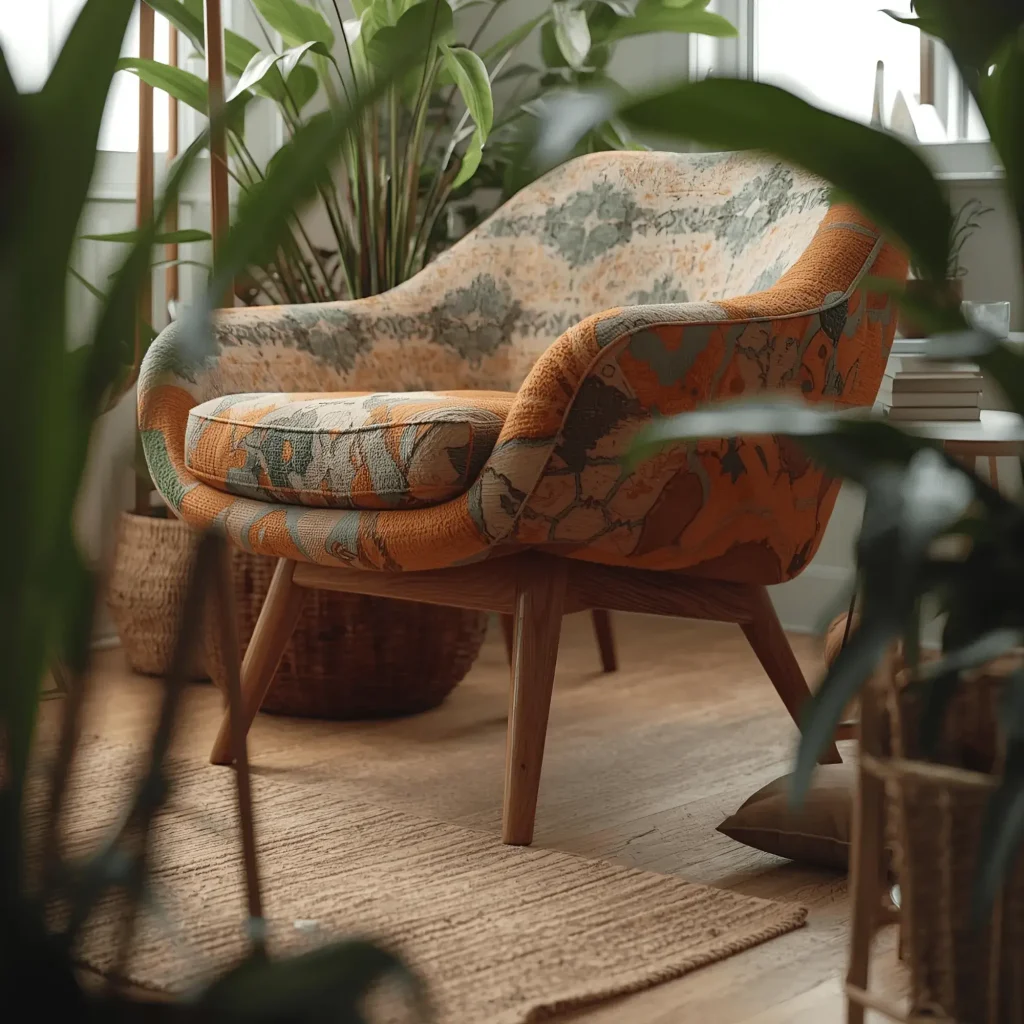
Sofas, chairs, beds, and tables with visible legs let you see the floor below, which makes the room feel more open. When you can see more floor, your brain thinks the space is larger. Mid-century modern furniture is great for this, with its slim legs and design that allows light and sight lines to flow.
For example, compare a bulky, skirted sofa to a sleek sectional with 6-inch wooden legs. You’ll see that the second option makes the room feel lighter and more spacious, even if both take up the same amount of space.
When shopping for furniture, look for pieces with legs that are at least 4 to 6 inches high. Stay away from items that sit flat on the floor or have fabric skirting that blocks the view underneath. This simple guideline can make your small space feel much more open and airy.
Rule #4 – Create Zones Without Walls
In studio apartments or open spaces, a big challenge is separating different areas without making the space feel smaller. To solve this, create invisible boundaries using smart placement and design choices.
The Power of Area Rugs
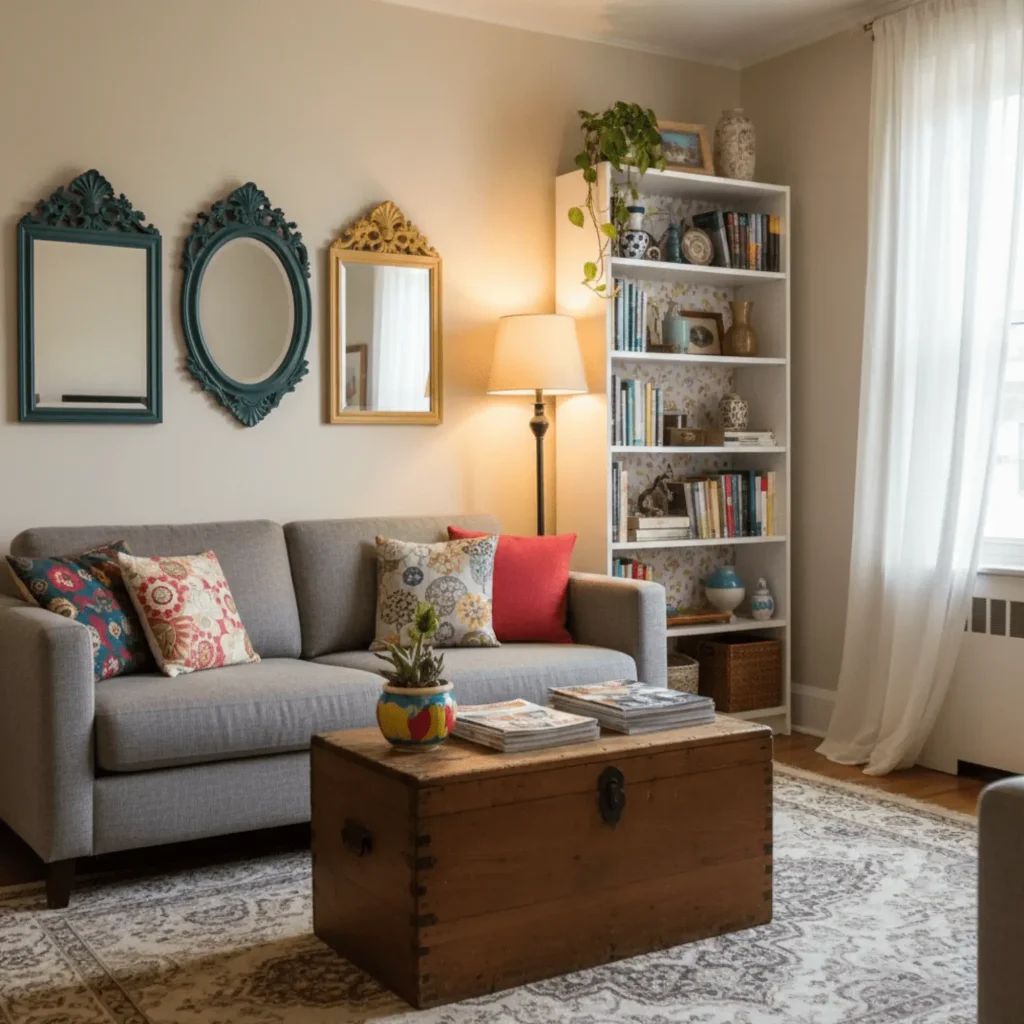
Area rugs help define different areas in a room. For example, placing a rug under your dining table creates a clear eating space, while a rug under your sofa and coffee table marks the living area. This allows you to organize your space visually, without putting up walls that would take away from your square footage.
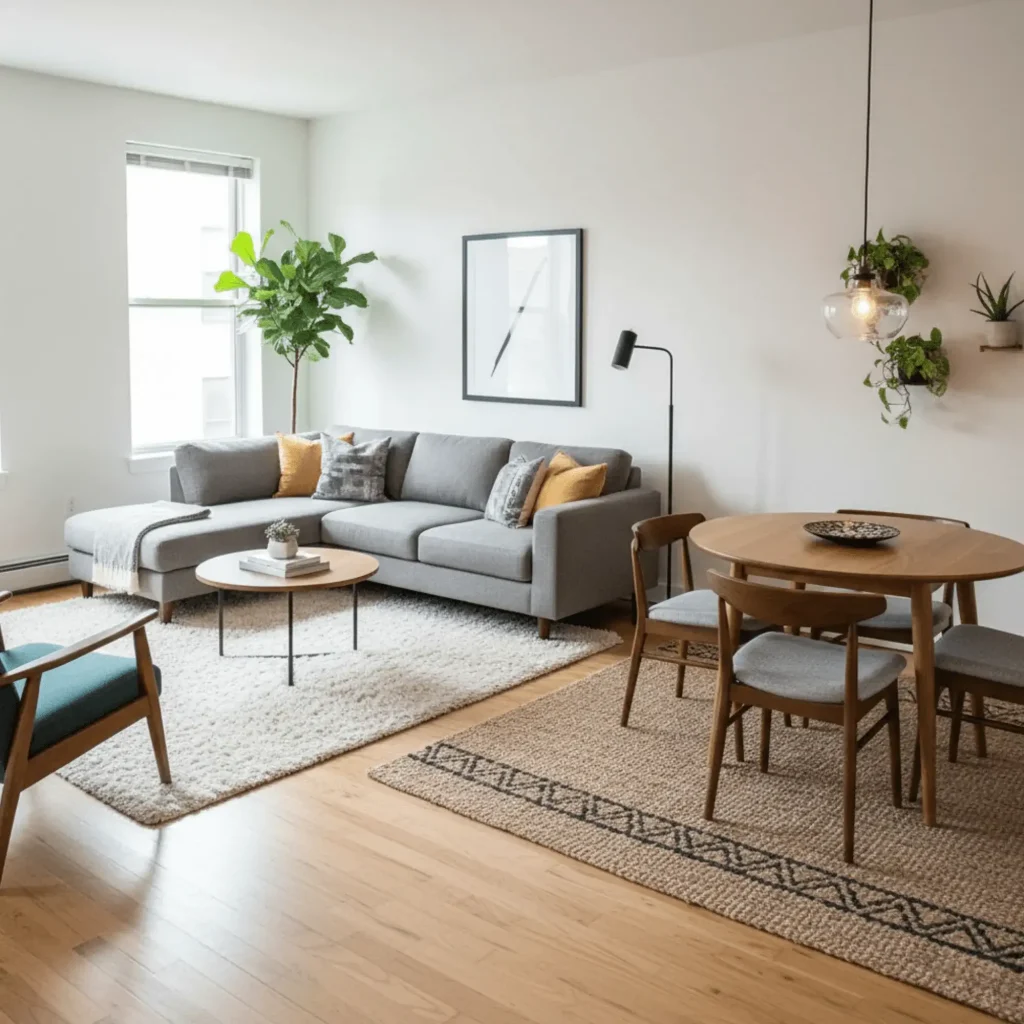
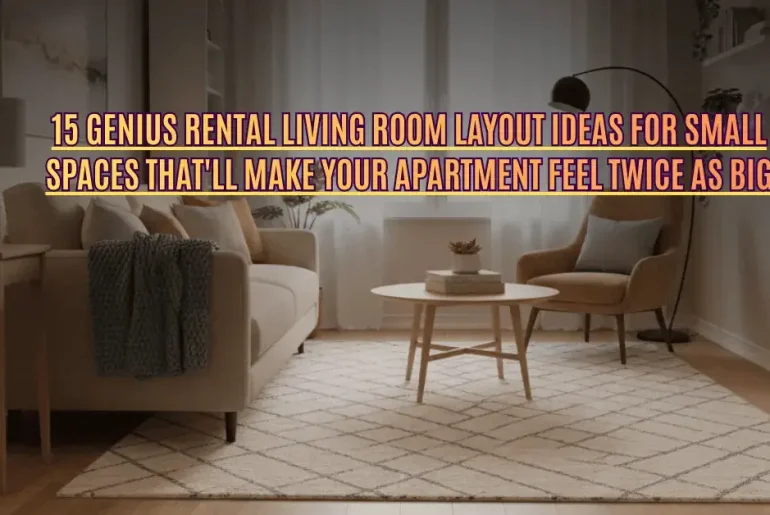
When choosing rugs, make sure they are the right size for each area. A rug that is too small looks odd, while a well-sized rug makes the space feel intentional and complete. In small rooms, it’s best to use rugs that are large enough for at least the front legs of your furniture to sit on them.
Strategic Lighting for Zone Definition
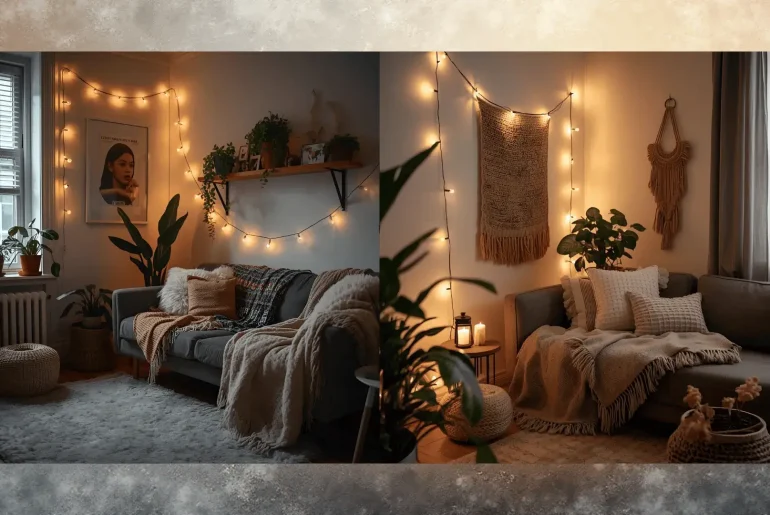
Different types of lighting help you understand that spaces have different uses. Use a floor lamp by your reading chair, pendant lights over the dining table, and table lamps in the living area. This layered approach not only makes the space more functional but also creates visual zones that can make your room feel larger and more carefully designed.
Avoid using only harsh overhead lighting, as it can make everything look flat and make small spaces feel even tighter. Instead, use different light sources at various heights to add depth and dimension.
Our article on Tiny Apartment Feel Cozy (7 Easy Steps) covers lighting strategies and other cozy-making techniques in detail.
Rule #5 – Embrace Large-Scale Art and Mirrors
If you want to decorate a small space, try going big instead of small. Many people believe that small spaces need small artwork and accessories, but this can make a room feel cluttered and small. One large piece of art on a wall has much more impact than a wall covered with small frames. A big canvas or photo, like 40×60 inches, can become a focal point and make the room feel larger.
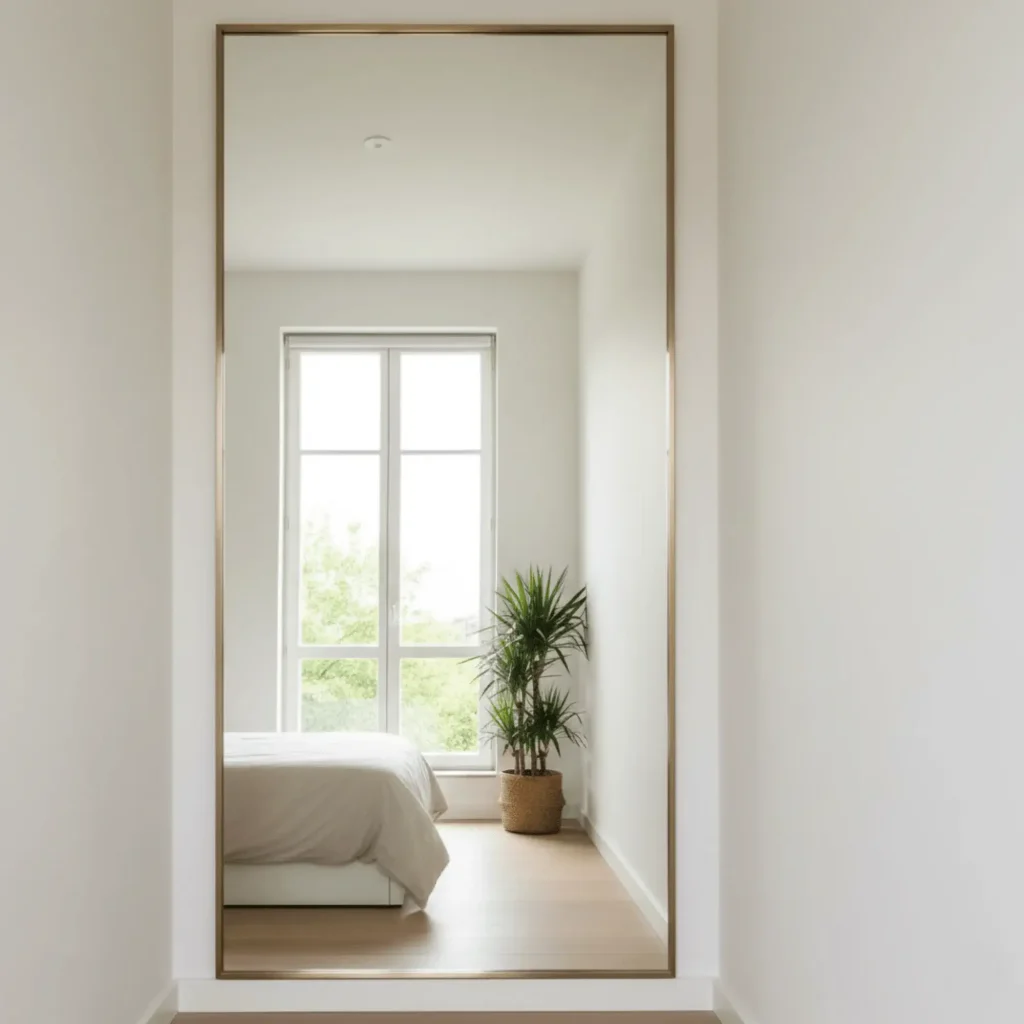
Mirrors also play an important role. A large mirror can reflect light from a window, making a dark, cramped room feel more spacious. Place mirrors across from windows when you can, or use them to reflect interesting features in the room or nice furniture arrangements.
The main idea is to be bold with your choices. Instead of hanging many small items on your walls, choose a few large pieces that make strong statements and give your eyes a chance to rest.
Rule #6 – Limit Your Color Palette (But Add Pops Strategically)
Color continuity is important in small spaces, but you don’t have to stick to boring white or beige. The goal is to create a smooth visual flow that allows the eye to move easily around the room.
The 60-30-10 Color Rule for Small Spaces
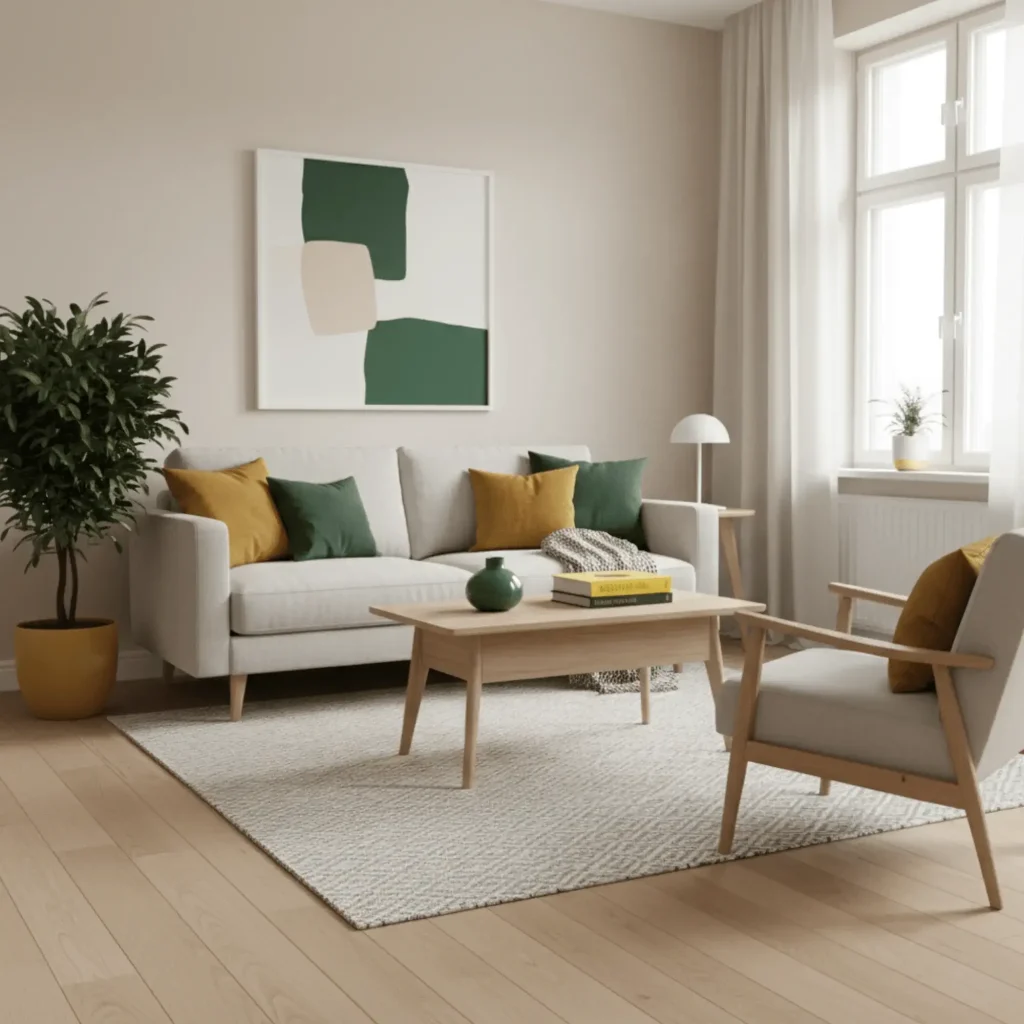
Many professional designers follow the 60-30-10 rule when choosing colors for a room. This means that 60% of the room should be a main color, which is usually used for the walls and large furniture. The secondary color should make up 30% of the room, found in items like accent furniture and curtains. The last 10% should be a bold accent color that adds character.
In small spaces, using dominant and secondary colors from the same color family helps the room look bigger. Soft grays, warm whites, gentle blues, or muted greens are great choices for base colors because they make the walls seem farther away.
Where to Add Bold Colors
Accent pops are a fun way to add personality to your space without making it feel crowded. You can use throw pillows, artwork, a single accent wall, or colorful accessories to bring energy without disrupting the overall look. These items are also easy and cheap to change if you want a new style.
Avoid using many bold colors in a small room, as this can create a messy look and make the space feel smaller. Choose one accent color and use it in small amounts throughout the room for a consistent and thoughtful design.
Rule #7 – Invest in Multi-Functional Furniture
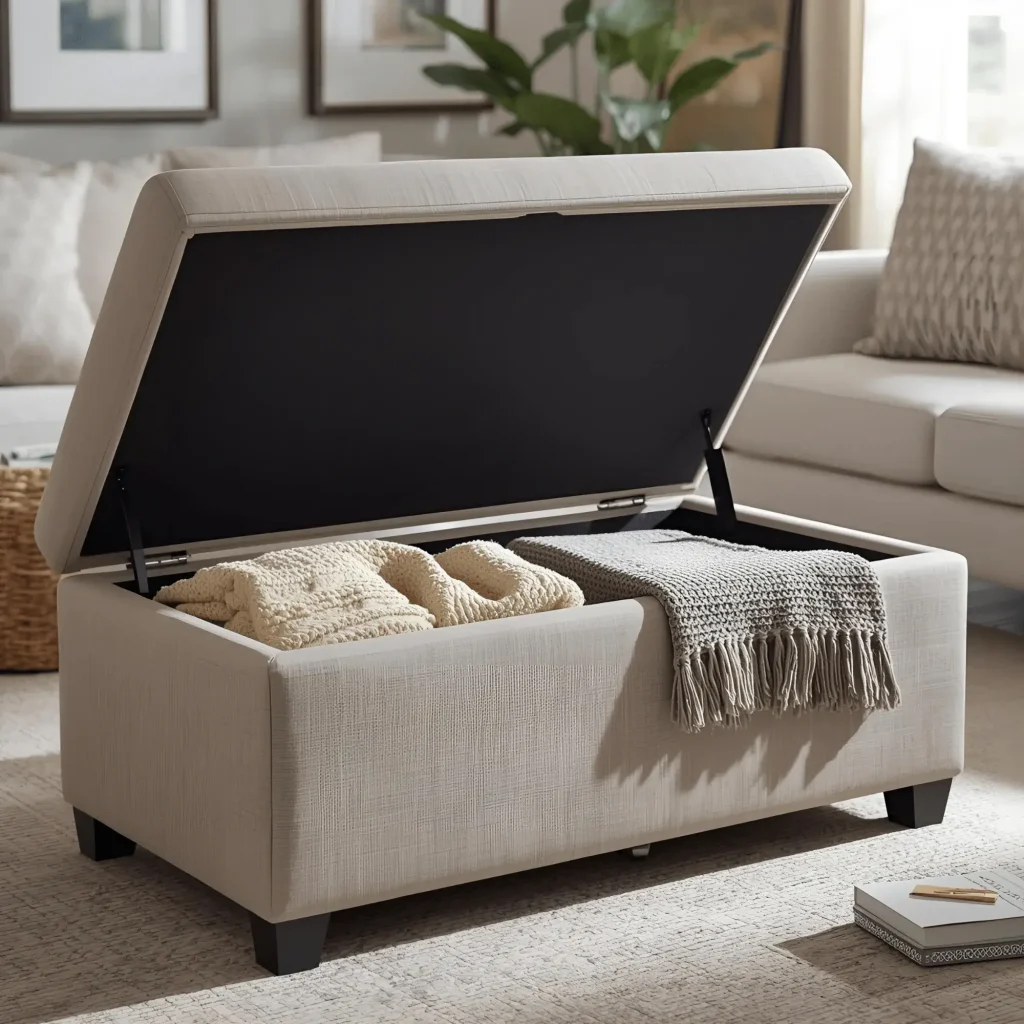
This is one of the most useful tips for decorating small spaces that many people overlook. When you have limited space, furniture that serves more than one purpose is extremely valuable.
For example, an ottoman that opens up for storage can keep blankets, books, or toys and also act as extra seating or a coffee table. A sofa bed can turn your living room into a guest room. An extendable dining table can fit more people during dinner parties but can be smaller for everyday use. A bed frame with built-in drawers means you don’t need a separate dresser.
The important thing is to think creatively about how each piece of furniture can do more for you. Before you buy anything, ask yourself: “Does this serve multiple purposes, or will it take up valuable space for just one function?”
Some great multi-functional pieces include Murphy beds that fold into the wall, storage ottomans, nesting tables, fold-down desks, and modular seating that you can rearrange. While these pieces might cost more upfront, they save space and offer better functionality in the long run.
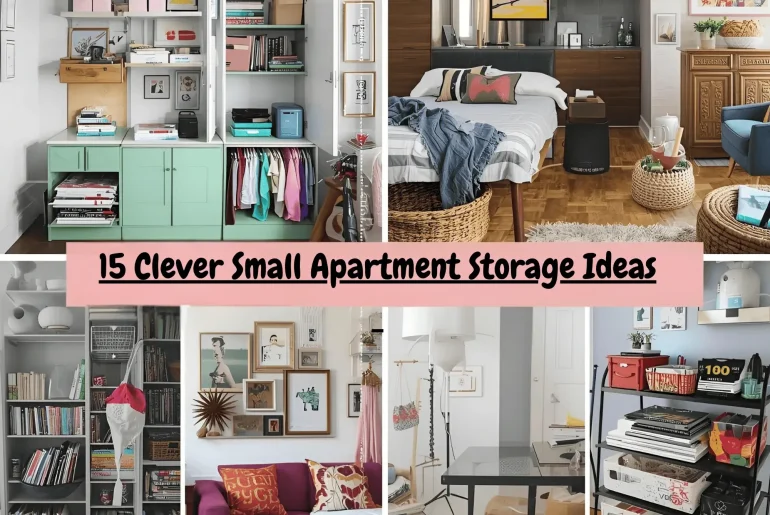
explore our post on 15 Clever Small Apartment Storage Ideas that blend style with function.
Common Small Space Decorating Mistakes to Avoid
When decorating a small space, it’s easy to make mistakes that can make it look even smaller. Here are some common mistakes to watch out for:
Choosing oversized rugs. Rugs should define areas, but if they are too large, they can make a room feel cramped. Leave some floor visible around the edges.
Using too many decorative items. Having small trinkets on every surface can create a messy look and clutter the space. Keep only your favorite items on display and embrace empty space.
Blocking natural light. Avoid placing furniture or heavy curtains that block sunlight. Natural light makes small spaces feel larger and more inviting.
Neglecting the entryway. Even a small space needs a defined entry point. Use a small table, hooks, or a slim bench to organize this area and make your space feel thoughtful and structured.
Budget-Friendly Ways to Apply These Rules
You don’t need a big budget to decorate a small space. Here are some practical and affordable tips to enhance your compact living area:
Start by looking around your home. Rearranging your furniture can make a big difference without any cost. Remove items that you don’t need—sometimes having less is better.
Thrift stores and online marketplaces like Facebook Marketplace, Craigslist, and OfferUp offer affordable furniture, especially pieces with exposed legs. Mid-century modern items are often available at good prices because they are popular.
For vertical storage, consider simple IKEA floating shelves that cost under $20 and can be installed quickly. Paint them to match your walls for a custom look that won’t strain your budget.
You can make your own large artwork. Buy a simple canvas from a craft store and paint it with colors from your palette. This can look expensive but cost less than $30. You can also enlarge a favorite photo at a print shop for meaningful artwork.
Mirrors from discount stores like HomeGoods, Target, or even dollar stores can be spray-painted or placed in affordable frames from thrift stores. A $15 mirror, when placed well, can have a big impact, just like a more expensive one.
If you’re renting and worried about making changes, most of these tips need no permanent fixes. You can rearrange furniture, use removable hooks for curtains, and choose freestanding pieces to change your space without risking your security deposit.
Your Small Space Transformation Starts Today
Decorating a small space doesn’t have to be hard or costly. It just takes a shift in how you think about it. You can make a small apartment feel open and stylish by following some simple rules. Float your furniture away from the walls, use your walls for storage, choose items with exposed legs, create different areas in the room, hang large art, keep your colors coordinated, and pick furniture that serves more than one purpose.
Try one of these ideas this weekend. Move your sofa away from the wall and notice how it changes the room. Hang your curtains higher. Replace a bulky coffee table with one that has legs. Even small changes can make a big difference in tight spaces.
Living in a small space offers a chance to be creative and thoughtful about your design choices. Beautiful, functional small spaces happen by using smart strategies that make the most of what you have.
Which rule will you try first? Share your small space successes in the comments below. Also, be sure to save this guide for your next decorating project!
External Links to Trusted Sources
- Trusted resource for practical home decorating advice
- Millennial-focused home design with real-world examples
FAQs
What colors make a small room look bigger?
Using light, neutral colors can help small rooms look bigger. Soft whites, light grays, pale blues, and warm beiges reflect more light and create the feeling of more space. A key tip is to use one consistent color for the entire room, including the trim and the ceiling. This approach removes visual breaks that can make a space feel smaller. You can still bring in color with pillows, artwork, and accessories while keeping a spacious and cohesive look. Avoid dark wall colors unless you want a cozy, intimate feel, as they can make walls seem closer.
How do you arrange furniture in a very small living room?
To arrange furniture in a small living room, focus on creating clear pathways. Avoid pushing all pieces against the walls. Start by identifying the focal point, like a TV or window. Arrange seating to face this point while leaving 18-24 inches of space for walking between furniture. Choose a sofa with visible legs and pull it 6-12 inches from the wall to add depth. Use a slim coffee table or nesting tables that can be moved when needed. Instead of bulky entertainment centers, opt for wall-mounted TVs or simple media consoles. Aim to create conversation areas without blocking the flow of movement. It’s better to have less furniture arranged thoughtfully than to overcrowd the space.
What is the 2/3 rule for decorating?
The 2/3 rule helps create balance in any space, especially in small rooms where every design choice counts. This rule suggests that objects should cover about two-thirds of the area they are near or on. For instance, artwork above a sofa should be roughly two-thirds the width of the sofa, rather than small and centered. A rug in your living room should be big enough so that at least the front two-thirds of your furniture sits on it. Curtains should cover about two-thirds of the wall’s width or extend slightly beyond the window frame on each side. This proportion looks balanced to the eye and avoids the “too small” or “overwhelmed” effect seen in poorly decorated small spaces. When unsure, choose slightly larger items rather than smaller ones for a more polished and intentional look.