
Introduction: Making the Most of Your Rental Living Room
Living in a rental apartment often means dealing with limited space and the challenge of not being able to make big changes. Your living room might feel cramped or cluttered. But the good news is that you don’t need a lot of money or major renovations to improve your space.15 Genius Rental Living Room Layout Ideas for Small Spaces That’ll Make Your Apartment Feel Twice as Big.
Table of Contents
The key is to use smart furniture placement and layout decisions. Whether you are moving into your first apartment or downsizing, the right layout can make your small living room feel more spacious and functional. In this guide, we will show you effective layout strategies, common mistakes to avoid, and practical living room ideas for small spaces.

Ready to make the most of your space? Let’s get started.
Why Layout Matters More Than Square Footage
Many renters overlook an important fact: a 150-square-foot living room can feel larger and more comfortable than a poorly arranged 250-square-foot room.
How you set up your furniture greatly impacts how spacious the room feels and how easy it is to move around. A good layout creates smooth traffic flow, defines areas for different activities, and makes the space appear larger than it actually is.
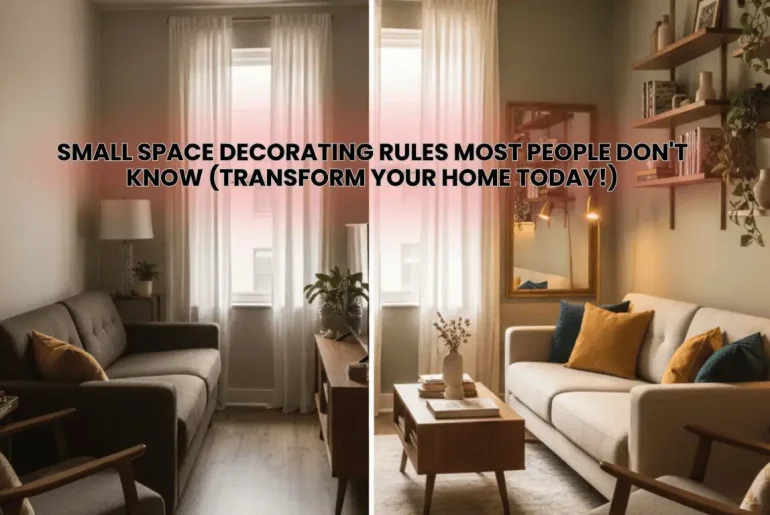
Interior designers note that the average living room in urban rentals is between 150 and 250 square feet. While that may not be big, you can make it work with the right plan. The main idea is to use every inch wisely and ensure each piece of furniture has a purpose.check out these small space decorating rules most people don’t know.
A bad layout can make a room feel cramped and messy. A smart layout opens up the space, enhances functionality, and creates the feeling that “your place feels so much bigger than mine.”
Genius Rental Living Room Layout Ideas for Small Spaces: The Fundamentals
Measure Before You Move
Before you start moving furniture or buying new pieces, use a measuring tape. This step is crucial but often overlooked, which can lead to costly mistakes.
First, measure your room’s length, width, and ceiling height. Also, note where windows, doors, outlets, and radiators are located. Measure the width of doorways and hallways to make sure new furniture will fit into your space.
Next, measure each piece of furniture you plan to use. Create a simple floor plan on graph paper or use free apps like RoomSketcher, Planner 5D, or the IKEA Place app. This way, you can try different layouts without the hassle of moving a couch several times.

As a helpful tip, ensure you leave at least 30 inches of walking space in main pathways and 14 to 18 inches between the coffee table and sofa for easy movement.
The Floating Furniture Strategy
Here’s a simple tip that can improve small spaces: pull your furniture away from the walls.
Many people think that pushing everything against the walls makes more floor space. But, this can make rooms feel flat and smaller. By placing furniture 6-12 inches from the walls, you create a feeling of depth and a better layout.
Floating your sofa or chairs can create cozy conversation areas and give your room a more designed look. It also helps define different zones in open spaces, which is great for studio apartments.

Start with one piece: try moving just your coffee table or an accent chair. Once you see how it changes the space, you’ll be convinced.
Multi-Functional Furniture is Your Best Friend
In small rentals, each piece of furniture should serve multiple purposes. You likely cannot afford to have items that only do one job, especially when space is limited.
Look for furniture that can do double or triple duty. For example, storage ottomans can be used for seating, footrests, and hidden storage. Console tables placed behind sofas provide extra surface space without blocking walkways. Nesting tables can be separated when needed and tucked away when not in use.

The best investment for a small space is a quality sofa bed or sleeper chair. Even if you don’t use it much, having extra sleeping space for guests is very useful in small apartments.
5 Genius Layout Configurations for Rental Living Rooms
Layout #1: The Conversational Circle
This layout is best for square-shaped rooms and for people who entertain often. Arrange the seating to face each other instead of all facing the TV to create a cozy atmosphere. Place your sofa against one wall and add two chairs or a loveseat across from it, forming a U-shape or rectangle.
Put a coffee table or ottoman in the center to bring the arrangement together. This setup encourages conversation and makes your living room feel more welcoming, rather than just a spot for watching TV.

Keep 8-10 feet between the seats that face each other to allow for comfortable conversation. If they are too close, it feels cramped. If they are too far apart, it feels disconnected.
Layout #2: The L-Shaped Maximizer
Best for: Studio apartments and narrow rectangular rooms.
An L-shaped furniture arrangement uses two pieces placed at right angles to create separate areas without walls. Set your sofa against one wall and place a loveseat, daybed, or bookshelf at a right angle to it.
This layout works well in studio apartments because it visually divides your living area from your sleeping or dining space. The L-shape creates a cozy corner that feels defined and intentional.

Bonus tip: Position the L-shaped setup in the corner farthest from your entrance to make your apartment feel larger when you walk in.
Layout #3: The Float and Define Method
Best for: Open-concept rentals and loft-style apartments
Use your sofa as a room divider by placing it in the middle of the space with the back facing the dining area or kitchen. This creates a clear boundary between areas while keeping an open feel.
Add a console table behind the sofa for extra storage and visual weight. This makes the sofa look complete from all angles and gives you a place for lamps, plants, or decorations.
The key is to leave at least 36 inches of space on all sides of the floated sofa for comfortable movement.
Layout #4: The Corner Command
Best for: Rooms with awkward corners and small square spaces.
Make the most of your corner space. Place a sectional or loveseat in the corner at a 45-degree angle. This adds interest and opens up the center of the room.
You can also create a reading nook with a corner chair, a floor lamp, and a small side table. This turns unused space into a useful and attractive area.
Corner arrangements work well in rooms with several doorways where wall space is limited. They also help reduce the boxy feeling of square rooms.
Layout #5: The Wall-Hugging Hybrid
Best for: Very narrow rooms under 10 feet wide.
In narrow spaces, you may need to place the sofa against the longest wall. To make this look intentional, center the sofa on the wall. Add matching side tables and hang artwork or shelves above to create a focal point. Position accent chairs at angles on either side to add depth.
Keep the opposite side of the room simple, perhaps with just a slim console table or a single chair, to maintain flow.
Renter-Friendly Tricks to Enhance Your Layout
Use Area Rugs to Define Zones
Area rugs are a great tool for small spaces. They help define areas, add warmth, and make rooms feel more connected without needing to make permanent changes.
When choosing a size, your rug should be big enough for at least the front legs of your furniture to be on it. For most small living rooms, a 5×7 or 6×9 rug works well. If the rug is too small, it can make the space feel broken up and disconnected.

In open-concept areas, use rugs to separate living, dining, and work zones. Pick rugs in similar colors to keep a consistent look while still marking different areas.
Pro tip: Light-colored rugs with subtle patterns can make rooms feel larger, while bold patterns may make small spaces feel crowded.
Leverage Removable Design Elements
Renters often struggle to personalize their spaces without risking their security deposits. Removable design elements can help.
Peel-and-stick wallpaper can change the look of an accent wall. Use removable curtain rods with damage-free hardware to add height and a soft touch. Command hooks allow you to hang artwork, mirrors, and shelves without making holes in the walls.
These options not only protect your deposit but also make your space feel complete and intentional. Bare walls can feel temporary and cramped. Adding vertical elements draws the eye up and makes ceilings seem higher.
Strategic Lighting for Depth
Overhead lighting can make a room feel flat. To add depth and dimension, use multiple light sources at different heights.
Place a floor lamp in a corner to brighten dark areas and make the room look larger. Use table lamps on various surfaces to create warm pools of light. You can also add string lights or LED strips behind furniture for a cozy glow that helps small spaces feel inviting.

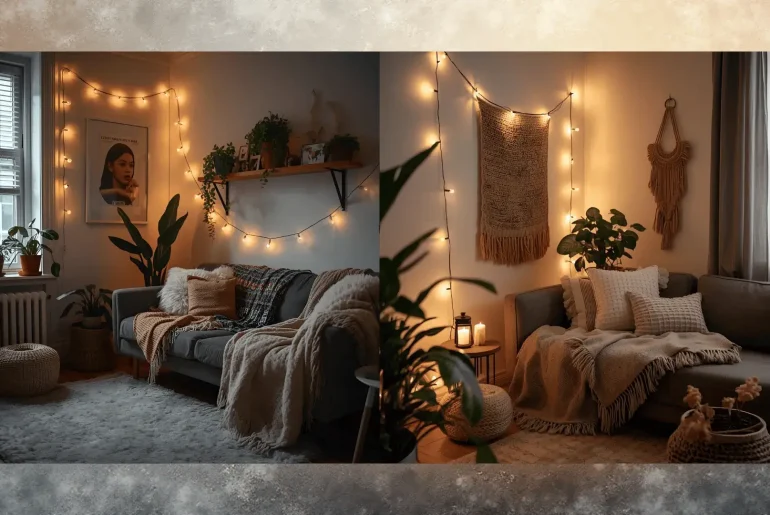
Aim to have at least three different light sources in your living room. This will give you the flexibility for different moods and activities, making your space feel well-designed.explore these 7 easy steps to make a tiny apartment feel cozy.
Common Small Space Layout Mistakes to Avoid
Oversized Furniture Syndrome
That beautiful sectional may look great in a store, but if it takes up 75% of your living room, it won’t help you at all. Size is very important in small spaces. Large furniture can overwhelm a room, block movement, and make everything else feel cramped.
Before you buy furniture, measure your space carefully. Look for smaller versions of larger items, like a 78-inch sofa instead of a 90-inch one. Armless chairs and sofas with legs look lighter than bulky ones.
If you’re not sure, choose smaller pieces. You can always add accent chairs later, but you can’t make a big couch smaller.
Blocking Natural Light
Natural light helps small spaces feel larger and more welcoming. To make the most of it, avoid putting tall furniture in front of windows. Use light, sheer curtains that let in light, even when they are open. Never push your sofa up against a window if you can avoid it.
Instead, arrange your furniture to capture natural light. Place your desk or reading chair near the window. Use mirrors to reflect and spread the natural light you have.
Ignoring Vertical Space
When you have limited floor space, use the space above you. Many renters overlook the area above eye level.
Install floating shelves for books, plants, and decorations. Use tall bookcases to draw the eye upward. Hang curtains from the ceiling, not just above the window, to make the room look taller.

Wall-mounted options like fold-down desks and pegboards keep the floor clear while adding space for storage and work. In small areas, clear floors help create the feeling of more space.
Storage Solutions That Don’t Compromise Your Layout
Storage is a common problem in small spaces. You need places to keep your things, but you don’t want your living room to look cluttered.
Behind-sofa consoles can offer storage and display space without using extra room. Look for ones with baskets or bins underneath for hidden storage. You can also use under-furniture storage bins that slide under sofas and chairs, making good use of space that would otherwise go to waste.
Wall-mounted shelves help keep items off the floor and add visual interest. Furniture with hidden compartments, like ottomans, coffee tables with lift tops, and TV stands with closed storage, can hide clutter while keeping it easy to reach.
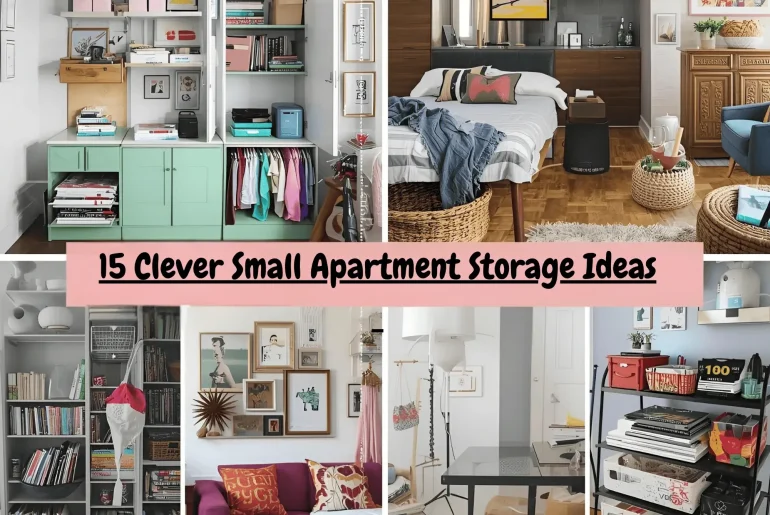
The best storage solutions fit well with your layout. Choose pieces with similar finishes and styles to keep a unified look.These 15 clever small apartment storage ideas will help you maximize every inch.
Before and After: Real Rental Living Room Transformations
Example 1: The 12×14 Studio
Before: The living area was 168 square feet but felt even smaller because of a bulky couch against the wall, a large entertainment center, and no defined zones.
After: The tenant replaced the couch with a smaller sofa (78 inches) that was moved 12 inches from the wall. A bookshelf was placed next to the sofa, forming an L-shape that separated the living area from the sleeping nook. Wall-mounted shelves replaced the entertainment center, freeing up floor space.
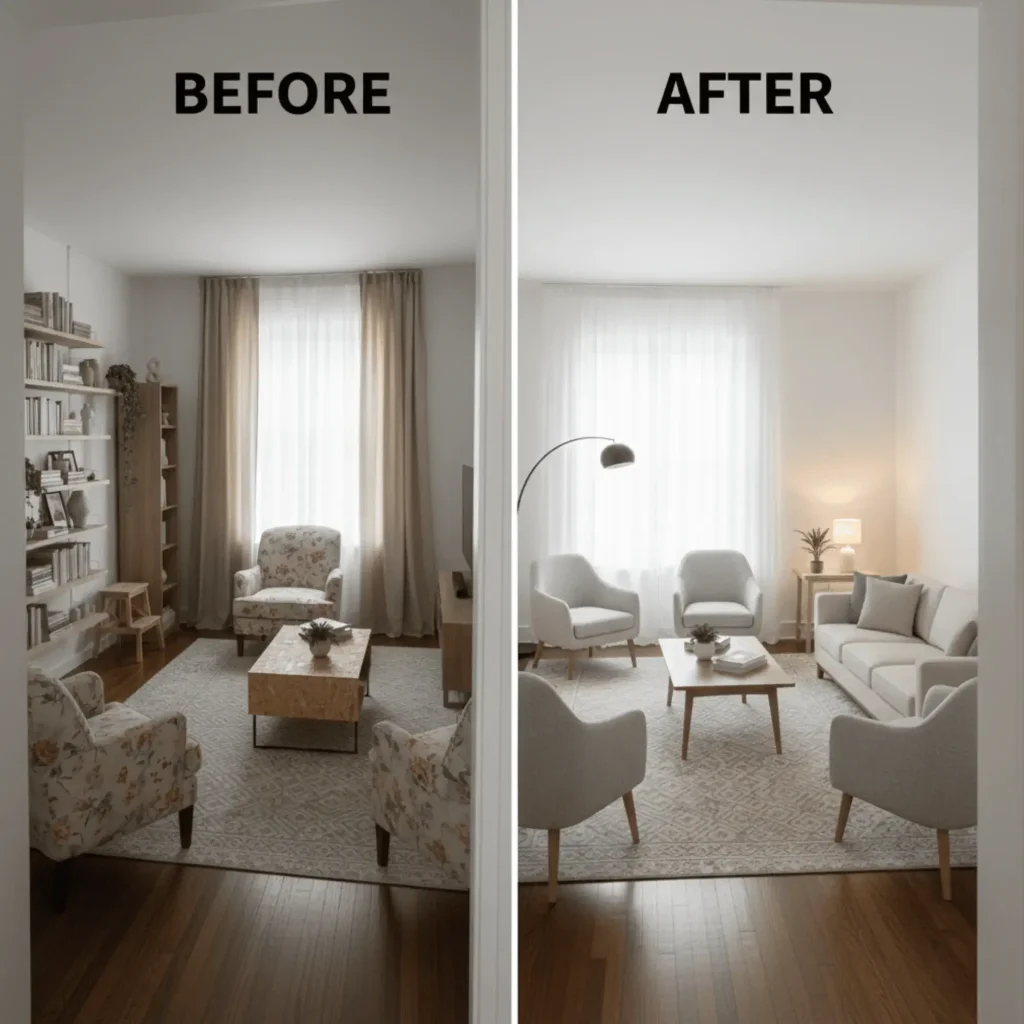
Result: The room felt 30% larger even though the size didn’t change.
Example 2: The Long and Narrow Railroad Apartment
Before: The living room was 10×18 feet and felt narrow like a bowling alley. The furniture lined both walls, causing an awkward traffic flow straight through the middle.
After: The sofa was placed at an angle in the corner, and two small armchairs created a cozy conversation area. This arrangement kept the center of the room open. A slim console table behind the sofa provided storage without blocking the pathway.
Result: The room felt wider and more useful, with separate areas for relaxing and moving around.
Quick Layout Tips by Room Shape
Long and Narrow Rooms
Create several areas instead of one long line of furniture. Use rugs to divide the space into sections. Position furniture at angles to break up the straight line effect. Avoid pushing everything against the walls—this makes the space feel narrower.
Square Rooms
Square rooms can feel too rigid. To make them feel more lively, try these tips: Use different arrangements instead of keeping everything symmetrical. Move furniture away from the walls. Create diagonal lines in the layout to add movement. Add elements in the corners to soften the sharp angles.
L-Shaped or Irregular Rooms
Embrace the room’s unique shape instead of resisting it. Use the nook of the L as a reading corner or workspace. Let the shape create natural areas in the room. Avoid making everything symmetrical—rooms with irregular shapes look better with intentional asymmetry.
Conclusion: Your Small Space, Endless Possibilities
Your rental living room can be comfortable and spacious. With these simple layout ideas for small spaces, you can change your room without violating your lease or spending too much money.
Here are some important tips: first, measure your space. Arrange furniture to create depth, choose pieces that serve multiple purposes, and use the layout to create different areas. Avoid large furniture that takes up too much space, keep natural light flowing, and use vertical space for storage.
The best layout is not the one that looks good in a magazine but the one that fits your daily life. Start with one or two ideas from this guide, try different arrangements, and adjust based on how you use your room.
Your small rental living room has more possibilities than you think. Now you know how to make the most of it.
Take Action Today
Want to change your space? Start by measuring your room and making a simple floor plan. Choose one layout that works for your room shape and try it out this weekend.
What’s your biggest challenge in a small space? Share your layout struggles or successes in the comments below. We love seeing how you transform your rental living rooms.
Looking for more quick wins? Check out these 10 rental-friendly small space hacks you can implement this weekend without spending a fortune.
Better Homes & Gardens – Trusted home improvement resource with layout and design guides
FAQs
1.What is the best furniture arrangement for a small living room?
The best arrangement depends on your room shape, but floating your sofa 6-12 inches from the wall typically works better than pushing everything against walls. This creates depth and makes the space feel larger. For square rooms, try the conversational circle layout. For narrow spaces, use an L-shaped configuration to define zones.
2.How do you make a small rental living room look bigger?
Use light-colored area rugs, position furniture to allow natural light flow, and avoid oversized pieces. Float furniture away from walls, add mirrors to reflect light, and incorporate vertical storage to keep floors clear. Strategic lighting with multiple sources at different heights also creates the illusion of more space.
3.What size sofa is best for a small living room?
For most small rentals, a 72-78 inch sofa works better than standard 84-90 inch models. Measure your room first and ensure you have at least 30 inches of walking space around the sofa. Consider apartment-sized or armless options, and choose sofas with exposed legs rather than heavy skirted bases to create a lighter, airier feel.